Enhancing the functionality of the transboundary Kamdi–Suhelwa complex for the management of dispersing tiger populations
Project description
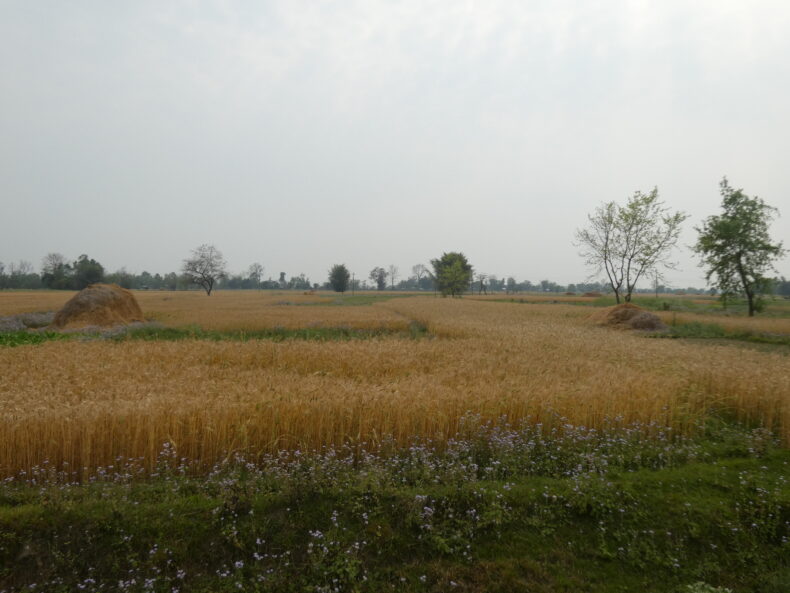
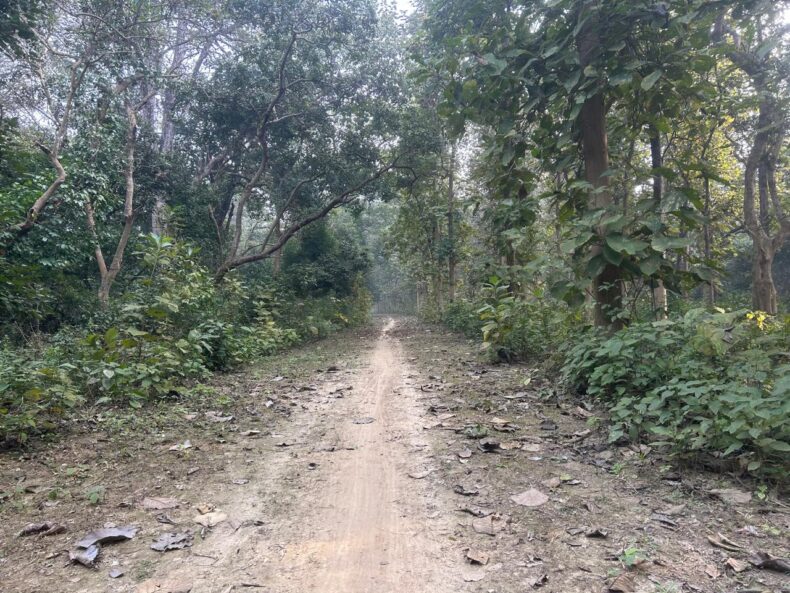
This project aims to strengthen coexistence between people and large carnivores while securing wildlife movement across the transboundary Kamdi–Suhelwa landscape of Nepal and India, a critical corridor within the Terai Arc Landscape (TAL) for tigers, leopards, and their prey.
This project is implemented by the Zoological Society of London.
Threats

Habitat loss & degradation

Human-wildlife conflict

Over-exploitation of natural resources & prey depletion
Project objectives
Communities living in and around the Kamdi–Suhelwa complex face increasing human–carnivore conflict driven by habitat fragmentation, climate pressures, and dependence on natural resources for livelihoods. The project will enhance local capacity to coexist safely with large carnivores by increasing awareness of human–carnivore conflict mitigation measures, improving understanding of carnivore behaviour, and supporting the installation of practical infrastructure to reduce negative interactions.
In parallel, the project will support communities to reduce pressure on forests by promoting sustainable livelihoods and more responsible natural resource use across the landscape. These actions will be complemented by targeted habitat management and regular monitoring of carnivore and prey populations in Suhelwa Wildlife Sanctuary and the adjoining Kamdi corridor, helping to maintain functional habitats, reduce conflict risks, and build resilience to climate-related impacts.
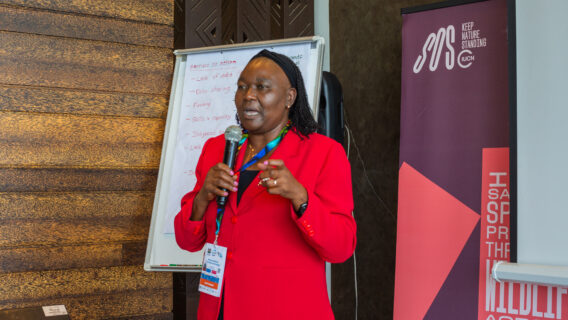
At the regional level, the project will strengthen institutional capacity and coordination between conservation stakeholders in India and Nepal through joint training exercises, workshops, and exchange visits. By fostering transboundary collaboration and knowledge sharing, the project will reinforce existing tiger conservation networks and contribute to long-term connectivity and coexistence across the Terai Arc Landscape.
Project activities
-
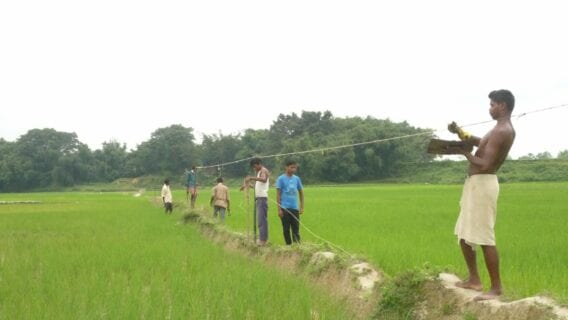
Promoting diversified, sustainable livelihoods to reduce dependence on natural resources and increase household resilience
-
Implementing human–wildlife conflict mitigation measures to reduce negative interactions between communities and large carnivores
-
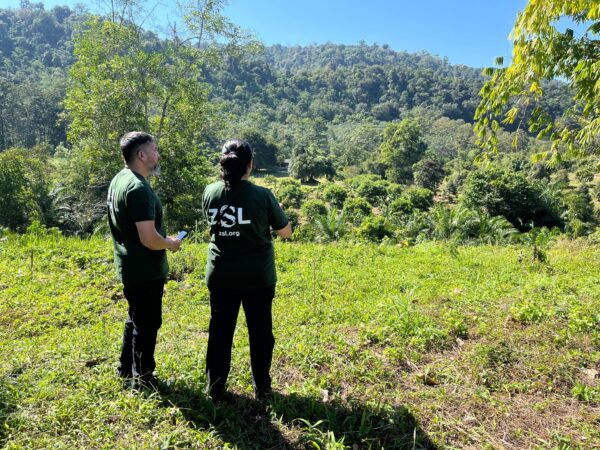
Monitoring tiger, leopard, and prey populations to inform adaptive conservation management
-
Managing and restoring habitats within wildlife corridors and protected areas to maintain landscape connectivity
-
Strengthening the capacity of conservation stakeholders across the Terai Arc Landscape through training, coordination, and knowledge exchange