Securing corridors for tiger and people: Leveraging transboundary cooperation for tiger conservation in the Khata-Basanta-Dudhwa complex
Project description
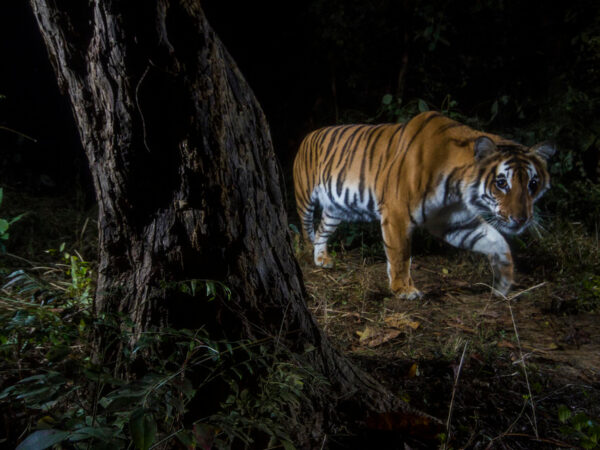
This project strengthens habitat connectivity and supports tiger population recovery across the 5,998 km² Khata-Basanta-Dudhwa (KBD) complex in the Terai Arc Landscape spanning Nepal and India. By securing key corridors, improving protection and fostering transboundary cooperation, the project enables the safe dispersal of tigers, maintains prey populations and safeguards one of South Asia’s most important transboundary tiger conservation landscapes.
Threats

Habitat loss & degradation

Human-wildlife conflict

Poaching
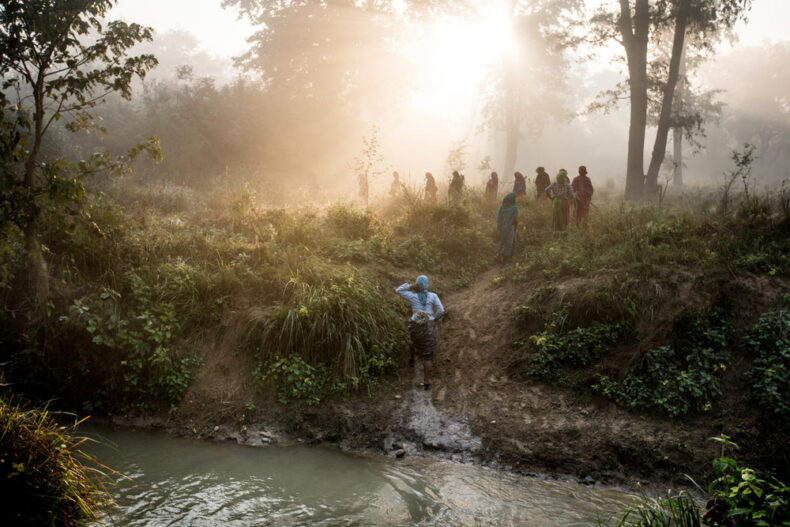
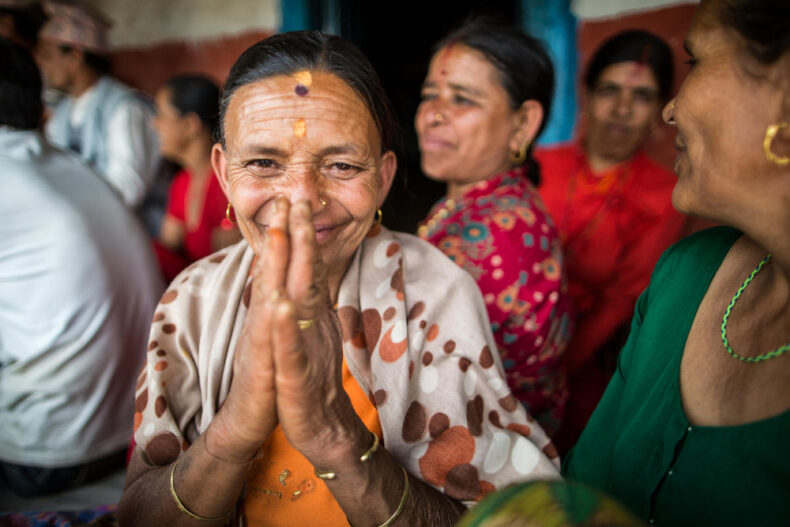
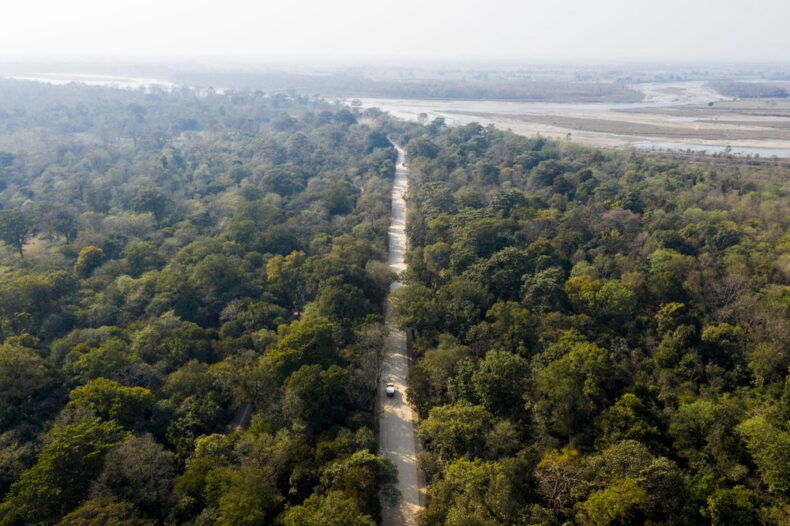
Working with government authorities, protected area managers and local communities, the project restores and protects critical habitats, strengthens wildlife monitoring and anti-poaching efforts, and enhances coordination between India and Nepal to curb poaching and illegal wildlife trade. In parallel, it promotes inclusive approaches to human–tiger coexistence by improving conflict-mitigation systems, supporting conflict-affected households and fostering long-term community stewardship.
Project objectives
The project pursues four interlinked objectives:
- Improve corridor permeability to enable the safe passage and dispersal of tigers and other wildlife across the Khata-Basanta-Dudhwa complex.
- Strengthen transboundary cooperation between India and Nepal to enhance protection, curb poaching and combat illegal wildlife trade across shared tiger habitats.
- Foster human–tiger coexistence by reducing human–wildlife conflict through effective conflict-management systems, livelihood diversification and targeted support to conflict-affected communities.
- Enhance long-term conditions for tiger conservation by strengthening collaboration among diverse stakeholders and fostering community stewardship to sustain tiger population recovery across the landscape.
Project activities
- Supporting habitat management (e.g. invasive species management)
- Capacity building for monitoring wildlife (e.g. Bagh Mitras)
- Enhancing corridor functionality through agricultural practices
- Enabling transboundary cooperation
- Diversifying sustainable livelihoods (e.g. handicrafts, homestays)