Initiative
European Invasive Alien Species Rapid-Response Fund
Funding

This initiative is co-funded by the European Union and will run until 2028.
Stop invasive alien species before they spread
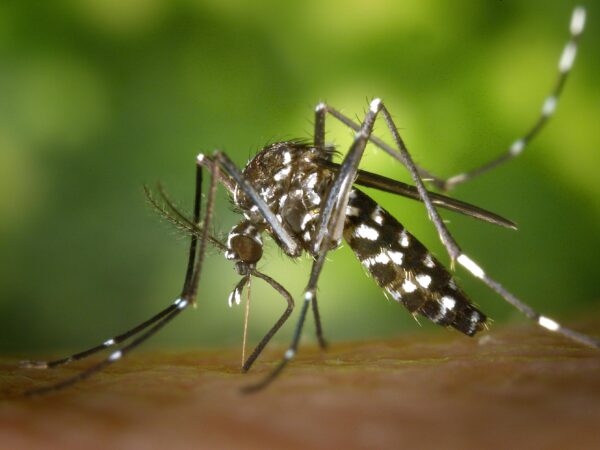
Invasive alien species (IAS) are rising rapidly across the European Union, fuelled by global travel, trade and climate change. Funded by the European Union, the European Invasive Alien Species Rapid-Response Fund provides targeted, fast-track grants to help conservation actors act quickly, supporting early detection, swift eradication and coordinated response before small-scale invasions become large-scale ecological and economic crises.
This initiative supports rapid, on-the-ground action aligned with the EU IAS Regulation (1143/2014), the EU Biodiversity Strategy for 2030. and the Kunming–Montreal Global Biodiversity Framework, including targets to prevent the establishment and spread of priority IAS.
At a glance
- Grant size: €10,000 – €50,000 per project
- Project duration: Up to 12 months
- Geographic scope: European Union (EU overseas countries and territories are not eligible, except the Canary Islands, the Azores and Madeira)
- Eligible applicants: Organisations operating in the European Union, including conservation organisations, research institutions and public authorities
- Focus: Early detection and rapid eradication of invasive alien species (plants, animals and macroalgae) at early stages of invasion
- Funding type: Fast-track grants for rapid response and early-stage interventions
- Call status: Open — application deadline: 10 February 2027, 14:00 (CEST)
Why rapid action matters
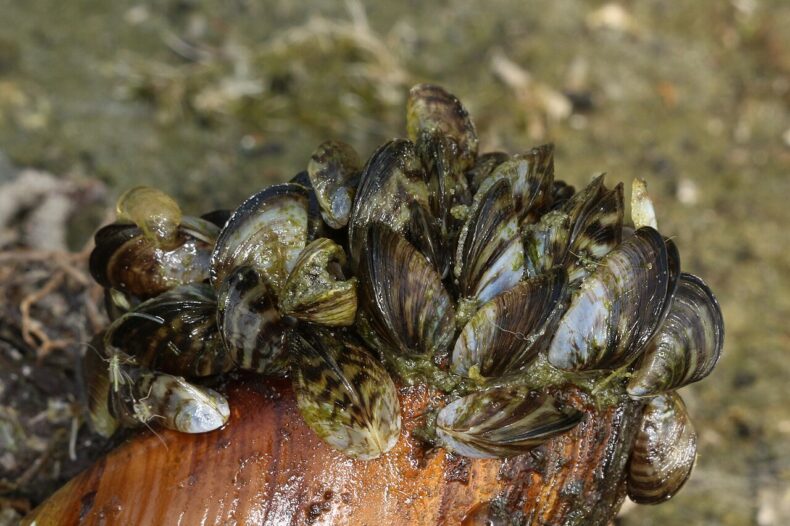
Invasive alien species are animals, plants or other organisms introduced by humans, intentionally or accidentally, outside their natural range. While harmless or beneficial in their native environments, they can become highly damaging in new ecosystems.
Once established, IAS can outcompete native species, alter habitats, disrupt food chains and water systems, and introduce disease. They also affect people, from health risks to economic losses for agriculture, fisheries, tourism and other sectors. In the European Union alone, invasive alien species are estimated to cause more than USD 28 billion in damages every year.
Early detection and rapid response are the most effective ways to prevent small incursions from becoming long-term ecological and economic crises. Acting quickly, before a species becomes widespread, can make the difference between successful eradication and permanent impact.
What the fund supports
The European Invasive Alien Species Rapid-Response Fund provides targeted, fast-track grants to enable rapid and effective responses to new incursions of invasive alien species across the European Union.
Eligible actions must focus on the early stages of invasion by alien plant and animal species, including macroalgae, that have a high potential to spread and cause ecological harm.
The fund supports:
- On-the-ground coordination with authorities and local stakeholders to ensure timely implementation
- Rapid eradication operations to remove invasive alien species at an early stage of invasion
- Early-stage response planning and feasibility assessments to enable swift action
- Monitoring and verification to confirm eradication success and reduce reinvasion risk
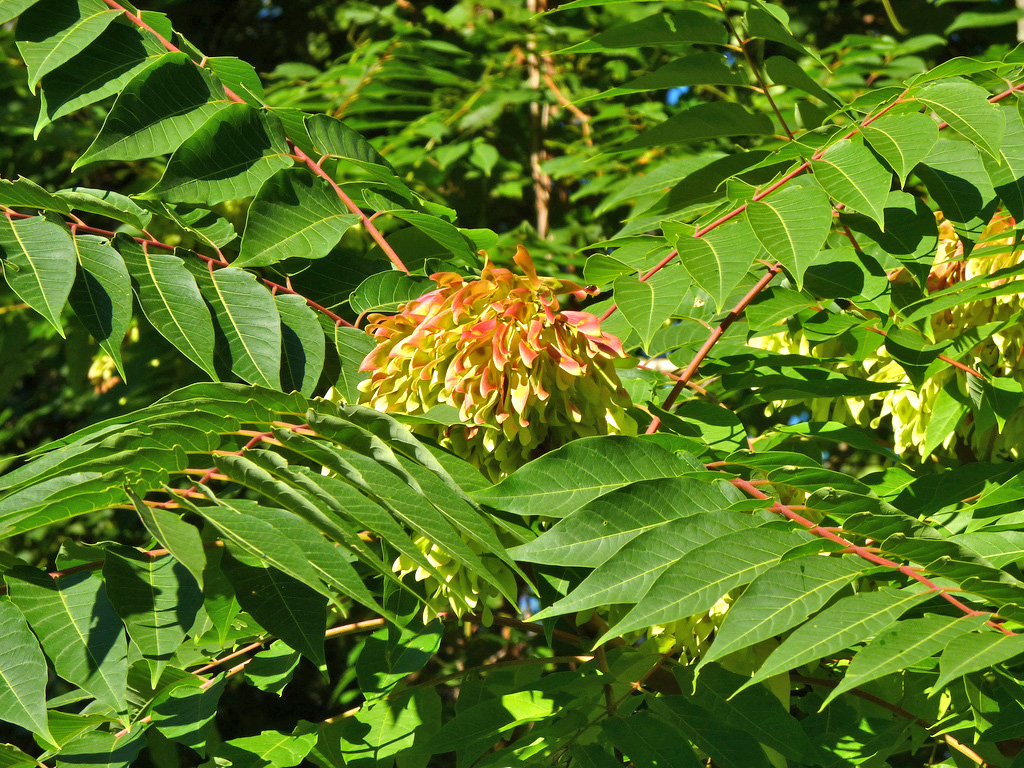
The fund prioritises interventions where rapid action is feasible and likely to prevent long-term establishment and spread.
Priority species for rapid-response action
To guide applicants towards high-impact interventions, the fund highlights a set of invasive alien species where rapid response is particularly urgent. These examples reflect species with high spread potential, significant ecological or economic impact, and where early action can still prevent large-scale establishment.
Projects targeting these species or similar emerging threats are strongly encouraged. This list is indicative, not exhaustive. Proposals addressing other emerging invasive alien species at early stages of invasion are equally eligible.
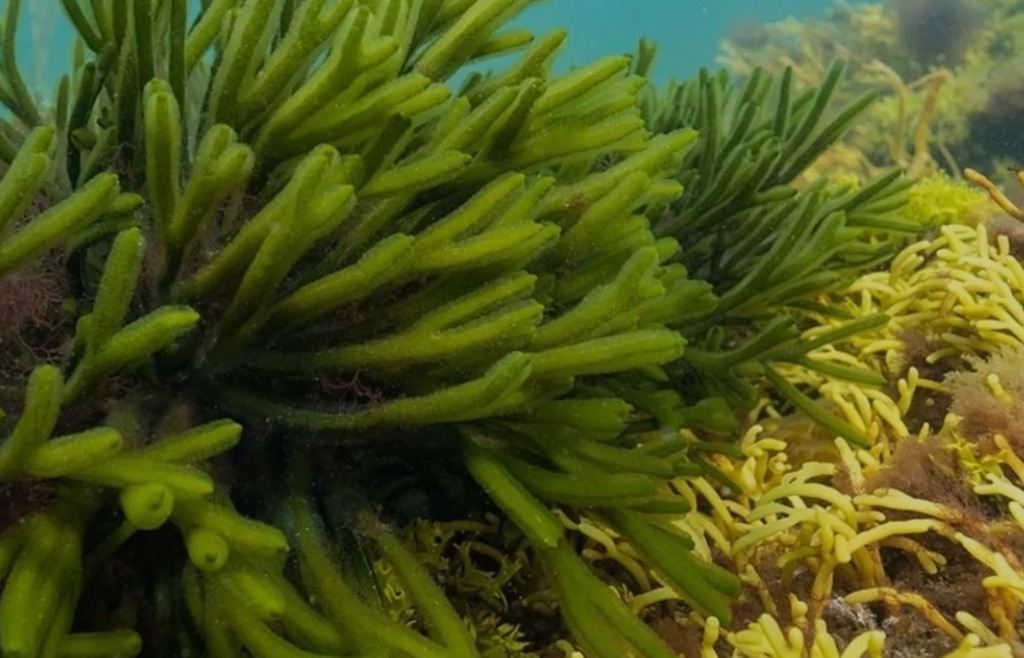
Green sea fingers
- ⚠️ Impact: Smothers shellfish beds, disrupts aquaculture and fouls infrastructure
- 🌍 Where: Netherlands, Spain (Atlantic coast), France, Norway, western Mediterranean coasts
- 🚨 Opportunity: Localised infestations can still be contained before wider spread
- 🔁 Pathway: Boating, aquaculture transfers
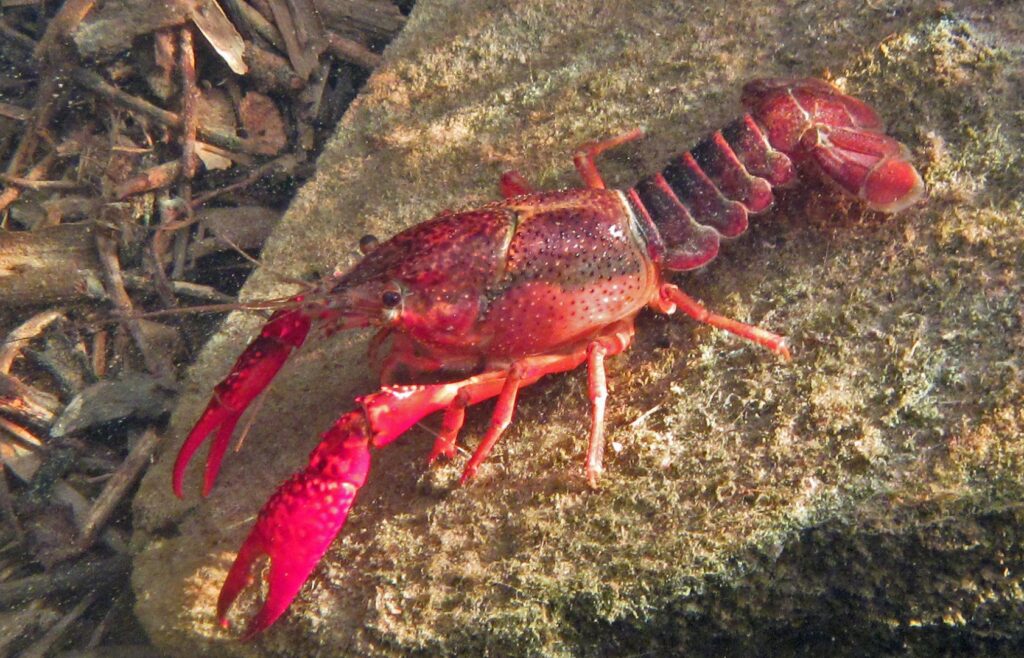
Red swamp crayfish
- ⚠️ Impact: Damages wetlands and crops, outcompetes native species, spreads disease
- 🌍 Where: Spain, France, Italy, Portugal, Greece and widely established across EU freshwater systems
- 🚨 Opportunity: Early-stage populations and isolated wetlands remain manageable
- 🔁 Pathway: Aquaculture, pet trade, bait release
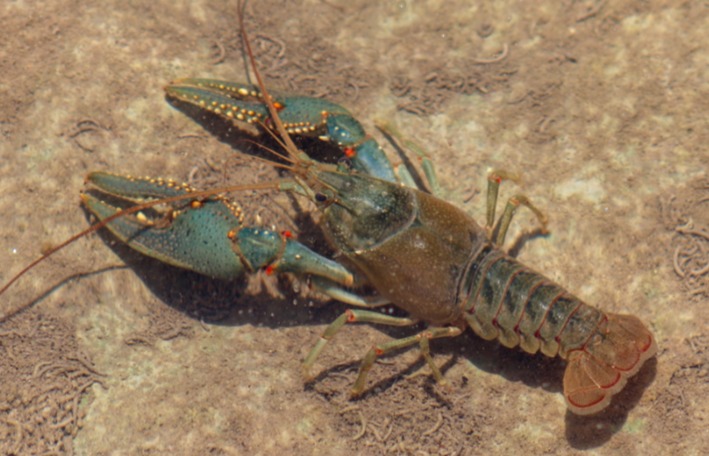
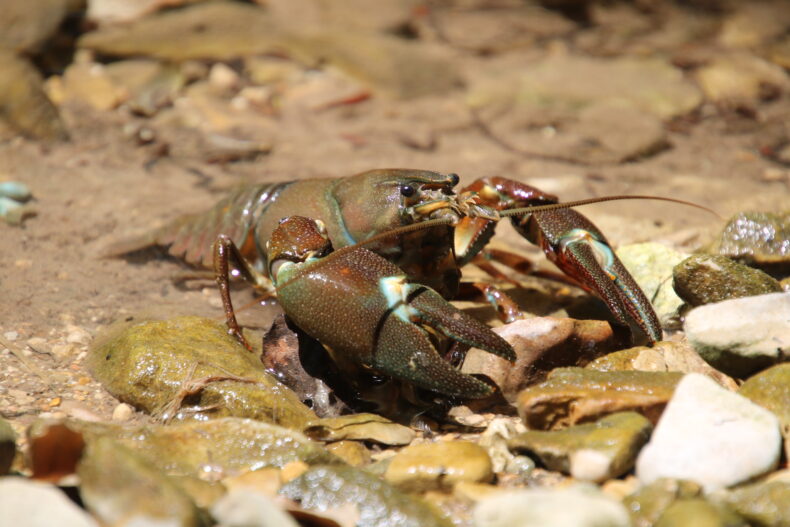
Virile crayfish
- ⚠️ Impact: Displaces native crayfish and alters freshwater ecosystems
- 🌍 Where: Netherlands (confirmed), emerging risk in neighbouring countries
- 🚨 Opportunity: Still limited distribution in some regions, early containment possible
- 🔁 Pathway: Stocking, aquaculture, accidental spread
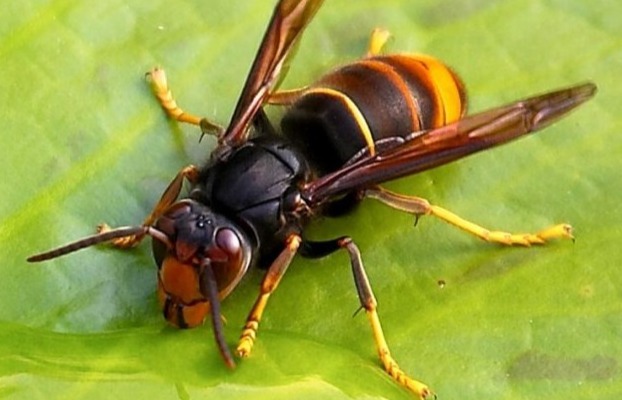
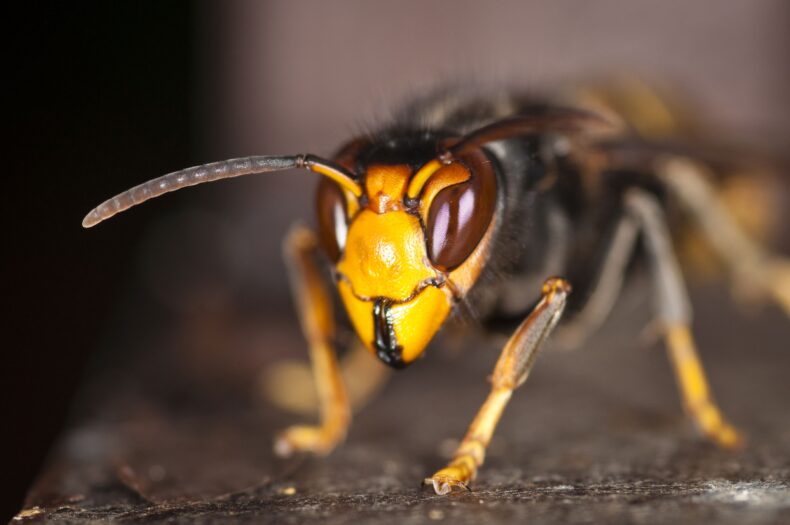
Asian hornet
- ⚠️ Impact: Heavy predation on honeybees, threatening pollination and agriculture
- 🌍 Where: France, Spain, Portugal, Belgium, Italy, Germany (spreading further north and east)
- 🚨 Opportunity: Early nest detection and destruction can slow spread
- 🔁 Pathway: Trade (initial introduction), natural spread
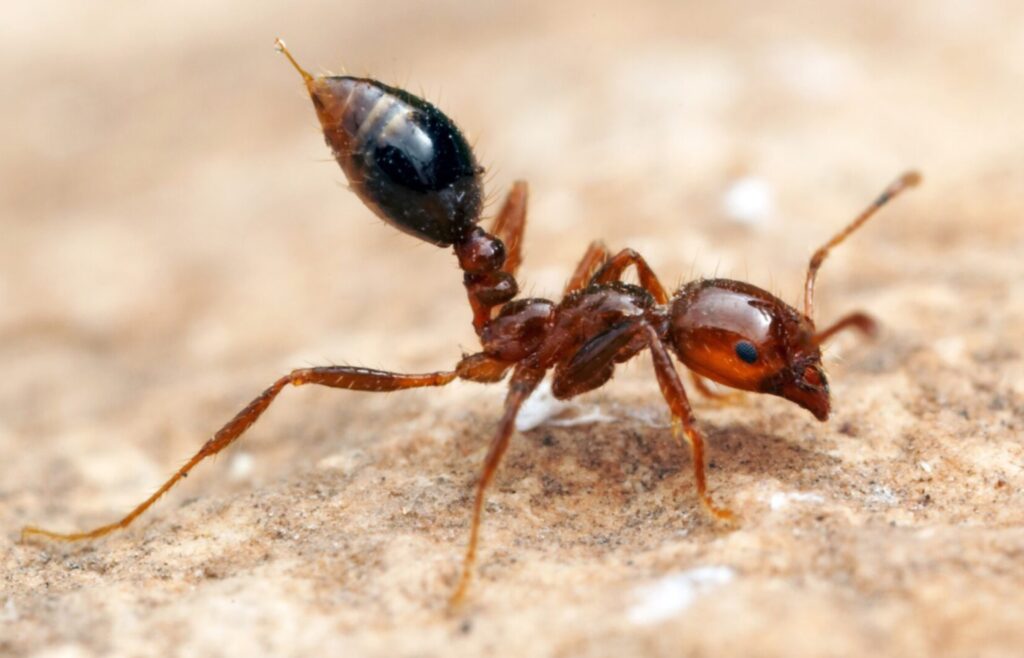
Red imported fire ant
- ⚠️ Impact: Damages crops and infrastructure, displaces native species, poses health risks
- 🌍 Where: Recently established in Sicily (Italy)
- 🚨 Opportunity: Very early-stage invasion in Europe—critical window for eradication
- 🔁 Pathway: Transported in soil, plants, cargo

Alligator weed
- ⚠️ Impact: Forms dense mats, blocks waterways, reduces oxygen and biodiversity
- 🌍 Where: France, Italy; high risk of spread across Mediterranean countries (e.g. Spain, Greece)
- 🚨 Opportunity: Early infestations can still be eradicated before widespread establishment
- 🔁 Pathway: Accidental introduction with ornamental plants
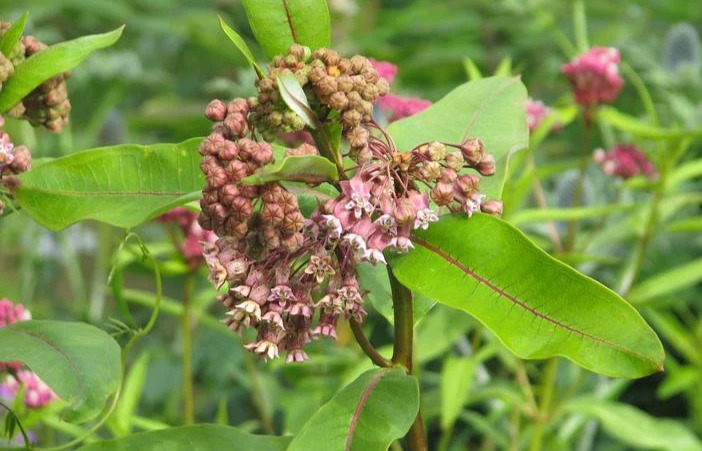
Common milkweed
- ⚠️ Impact: Outcompetes native vegetation in grasslands and semi-natural habitats
- 🌍 Where: Austria, Czech Republic, Bulgaria, Denmark, France, Croatia, Hungary, Italy, Lithuania, Netherlands, Poland, Romania, Slovakia
- 🚨 Opportunity: Local control can prevent further spread in sensitive ecosystems
- 🔁 Pathway: Introduced as ornamental and for beekeeping
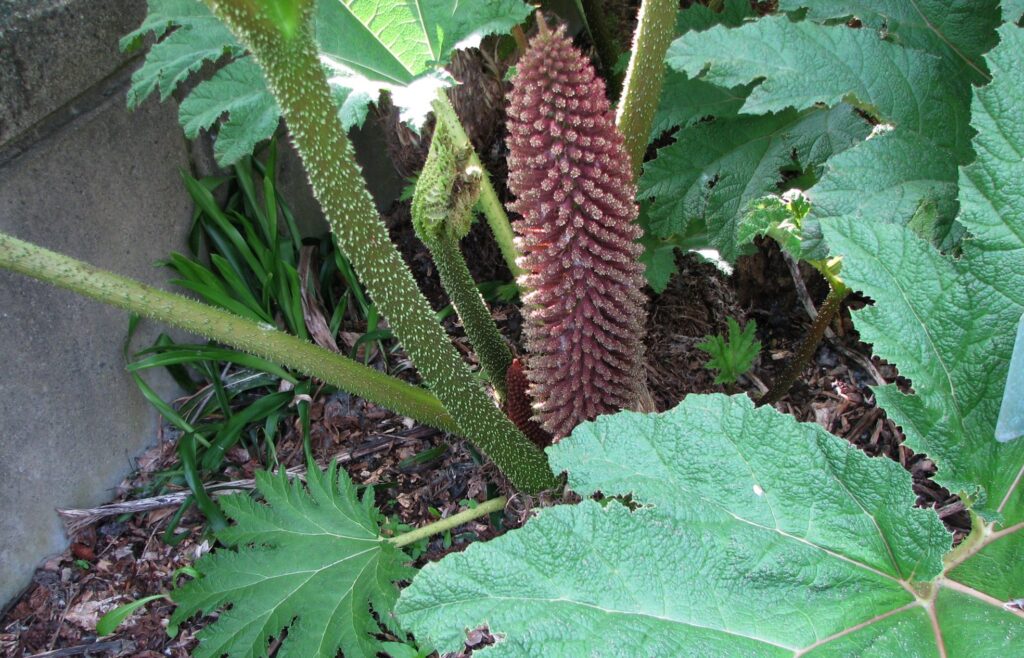
Chilean rhubarb
- ⚠️ Impact: Blocks waterways and drainage systems, increasing flood risk
- 🌍 Where: Ireland, Portugal, Spain, France (localised but spreading)
- 🚨 Opportunity: Early removal of small populations is highly effective
- 🔁 Pathway: Ornamental planting, soil movement

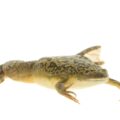
African clawed frog
- ⚠️ Impact: Predates and competes with native species, spreads amphibian diseases and degrades aquatic habitats
- 🌍 Where: Belgium (Douvebeek system), France (spreading north)
- 🚨 Opportunity: Localised populations can still be contained before wider establishment
- 🔁 Pathway: Escape or release from captivity
Support beyond funding
Beyond emergency response, the initiative strengthens long-term capacity for invasive species management across the European Union. Grantees benefit from:
- Technical guidance and expertise through IUCN’s global network, including the IUCN SSC Invasive Species Specialist Group and its community of IAS management experts
- Peer-to-peer exchange and networking, connecting practitioners facing similar challenges across countries and ecosystems
- Project and financial management support to ensure fast, accountable and effective delivery
Call for proposals currently open
If you are responding to a new or emerging invasive alien species incursion in the European Union, apply for support to act quickly and prevent long-term damage.
We particularly encourage proposals targeting priority species highlighted above or similar emerging invasions.
Projects supported by the initiative
Check out projects on our interactive map2026
Rapid Action Grant
Protecting native amphibians in Wallonia (Belgium)
Rapid Action Grant
MYNA-OUT (Italy)
Rapid Action Grant
Protecting native amphibians in Flanders (Belgium)
Rapid Action Grant
Protecting endemic lizards from invasion in Chania, Crete (Greece)
Rapid Action Grant
Eradication and monitoring of hakea sericea in the Gerês Range (Portugal)
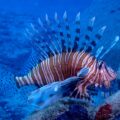
Rapid Action Grant
Strengthening national capacity for lionfish control (Croatia)
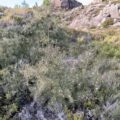
Rapid Action Grant
Removing hakea sericea from the Peneda-Gerês National Park (Portugal)
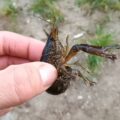
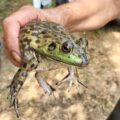
Rapid Action Grant
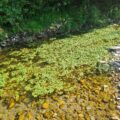
LudBye (Portugal)
Rapid Action Grant
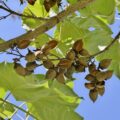
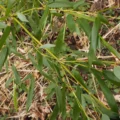
Sustainable removal of invasive bamboo in Langenzersdorf, Austria

Rapid Action Grant
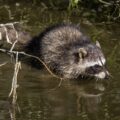
Preventing the spread of Bunias orientalis in northern Italy
Rapid Action Grant
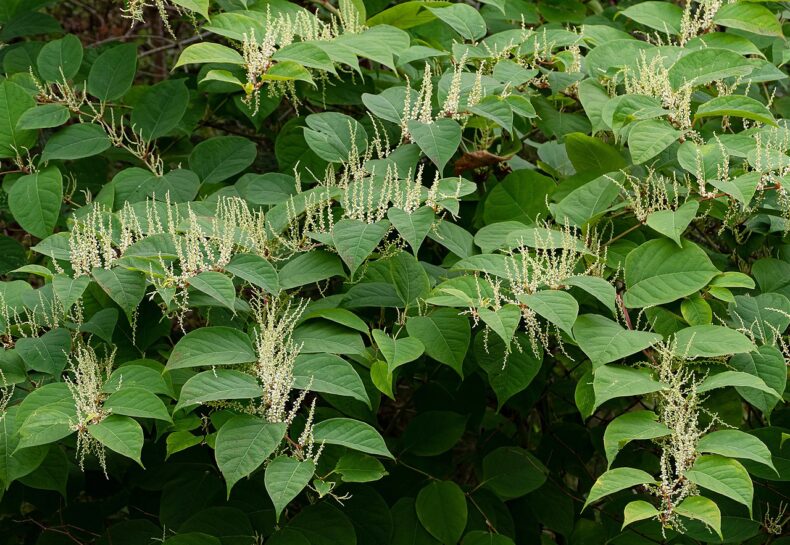
Japanese knotweed eradication initiative (Austria)