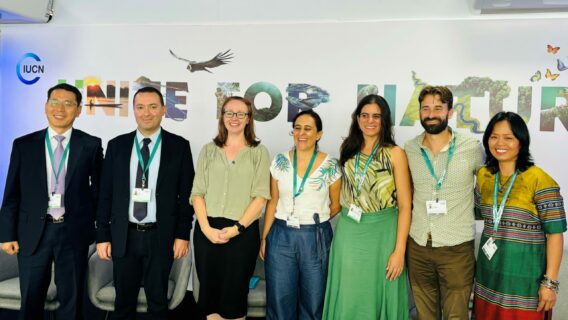
New regional insights signal stronger pathways for tiger conservation across Asia
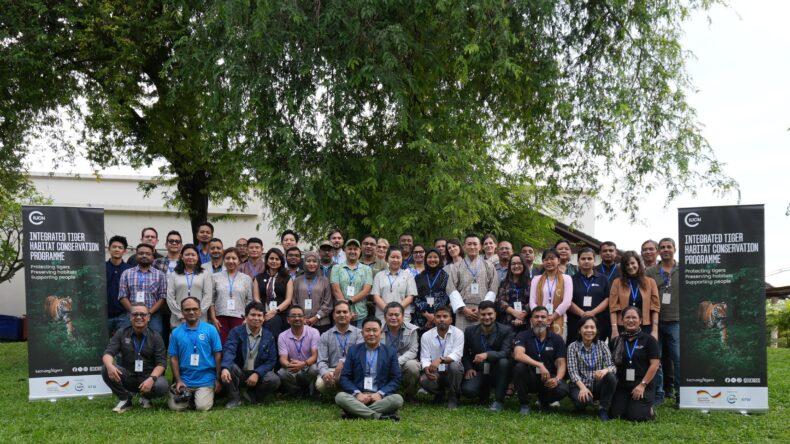
New evidence from conservation partners across South and Southeast Asia shows that strengthened regional cooperation, community-led action, and adaptive management are accelerating progress for tigers. These insights were consolidated at the Integrated Tiger Habitat Conservation Programme (ITHCP) regional partners workshop, held in Kanchanaburi, Thailand, in late November 2025, which brought together 50 participants, including NGOs, government counterparts and technical experts working across key tiger landscapes.
With investments mobilised through German Development Cooperation via KfW Development Bank, ITHCP is one of the largest funding mechanisms dedicated to securing tiger landscapes across Asia. Since its launch in 2014, the programme has channelled support to high-impact conservation initiatives that restore habitats, reduce human–wildlife conflict, improve community livelihoods, and strengthen ecological connectivity across the region. The newest updates from partners reaffirm the programme’s growing impact.
A clearer picture of what works for tigers and people
At the workshop of ITHCP partners in Kanchanaburi, partners from Bangladesh, Bhutan, India, Indonesia, Nepal, Thailand, and Myanmar shared new data and field experience that underline the central role of local communities and frontline rangers in safeguarding tiger habitats. Recent project updates showcased:
- Expanding habitat connectivity through targeted restoration and patrolling.
- Improving coexistence by scaling conflict-mitigation tools and community-based monitoring.
- Strengthening women-led conservation enterprises that enhance household incomes while reducing pressure on forests.
- Rising uptake of adaptive management approaches, supported by improved ecological and socio-economic monitoring.
These emerging lessons will feed directly into ongoing analyses under ITHCP, including upcoming knowledge briefs on habitat management and sustainable livelihood models.
Community perspectives and on-the-ground realities
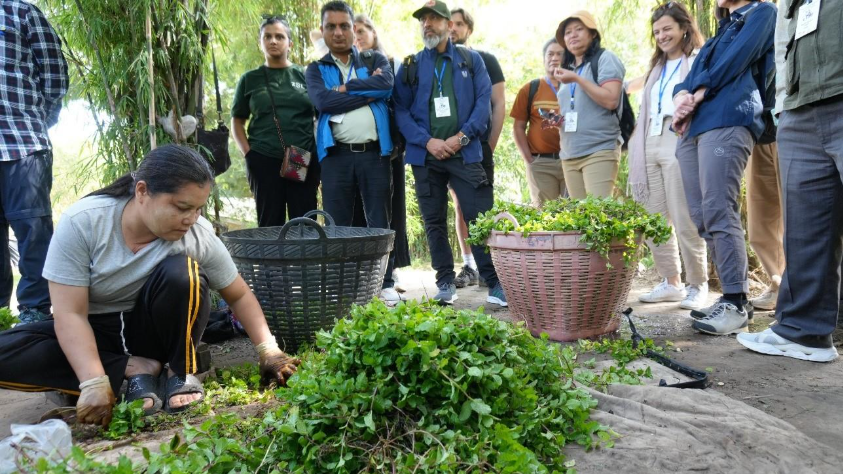
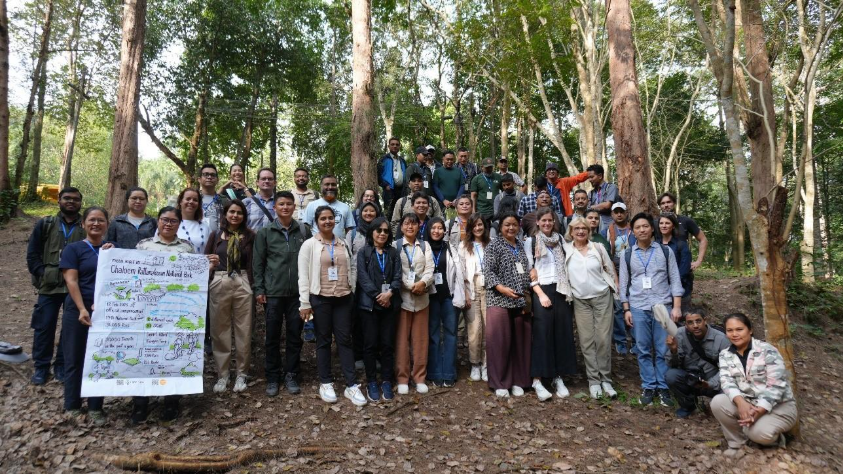
A field trip hosted by Panthera provided a real-time look at how NGOs, Thai conservation authorities and local communities collaborate to protect tiger landscapes. Insights from Chaloem Rattanakosin National Park and Khao Lek village highlighted practical measures that are reshaping coexistence, from early-warning systems and compensation schemes to livelihood diversification that reduces reliance on forest resources.
Such examples are proving increasingly important as conservation practitioners respond to evolving threats, ranging from habitat degradation to shifting patterns of conflict.
Strengthening the conservation ecosystem
Donors, technical partners, and implementing organisations also examined system-level needs to accelerate progress across tiger-range countries. Discussions focused on:
- Improving project design, financial accountability, and transparent reporting.
- Enhancing monitoring and evaluation systems to better capture ecological outcomes.
- Aligning donor requirements with field realities to improve support for community engagement and rights-based approaches.
- Consolidating Environmental and Social Management Systems (ESMS) to minimise and manage risks across the portfolio.
These conversations confirmed a shared appetite for deeper collaboration and more consistent technical support across landscapes.
Looking ahead: a stronger foundation for 2026–2027
The exchanges in Thailand signal growing convergence among conservation actors on how to drive impact at scale. Priorities emerging from the meeting, ranging from refined monitoring frameworks to targeted capacity building, will shape ITHCP’s work through 2027 and support implementation of the Global Tiger Recovery Programme.
The discussions also reinforced a fundamental message: securing the future of tigers rests on strong partnerships, trust, and continuous learning. By bringing together community leaders, conservation practitioners, researchers, and funders, ITHCP is helping build the collaborative ecosystem required to ensure that tigers, their habitats, and the people who depend on them can thrive together.