On a mountain in South Africa, a carefully planned ecological burn cleared dense invasive pines from slopes once choked with alien trees. Months later, conservationists surveying the recovering wetlands made a surprising discovery: previously unknown populations of one of the world’s rarest amphibians had appeared.
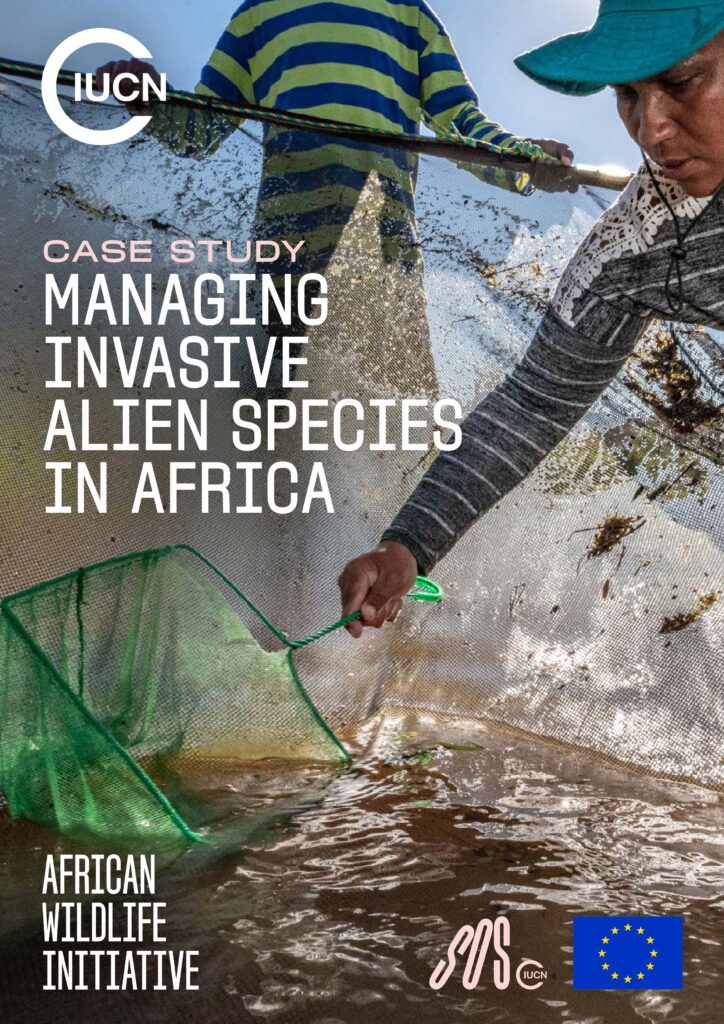
Stories like this sit at the heart of a new case study collection released today by the International Union for Conservation of Nature (IUCN), which reveals how targeted action against invasive alien species is delivering measurable gains for biodiversity and communities across Africa. The publication is the first in a series documenting real-world conservation solutions supported through the IUCN Save Our Species African Wildlife Initiative (SOS AWI).
What are invasive alien species and why do they matter?
Invasive alien species (IAS) are plants, animals or microorganisms introduced by human activity outside their natural range that spread rapidly and cause harm. They can outcompete native species, alter habitats, disrupt water systems, damage crops and fisheries, and increase disaster risks such as wildfires or floods. Globally, IAS are one of the leading drivers of biodiversity loss and are estimated to cost economies billions each year.
Across Africa, their impacts are particularly severe because many ecosystems host highly specialised species found nowhere else, meaning that once invasives take hold, native biodiversity can decline quickly.
Proof from the field
Across four projects in South Africa and Cameroon, conservation teams combined ecology, local knowledge and long-term support to restore more than 7,200 hectares of land and freshwater habitats affected by invasive species.
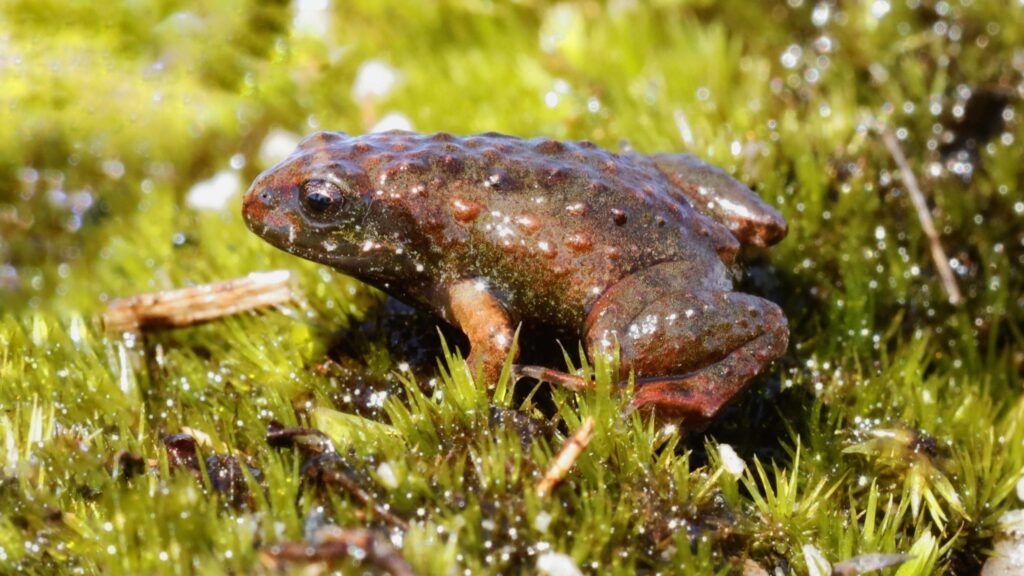
In South Africa’s Klein Swartberg mountains, clearing invasive pines restored natural water flows and habitat for the Critically Endangered rough moss frog, strengthening conditions for its entire known global population.
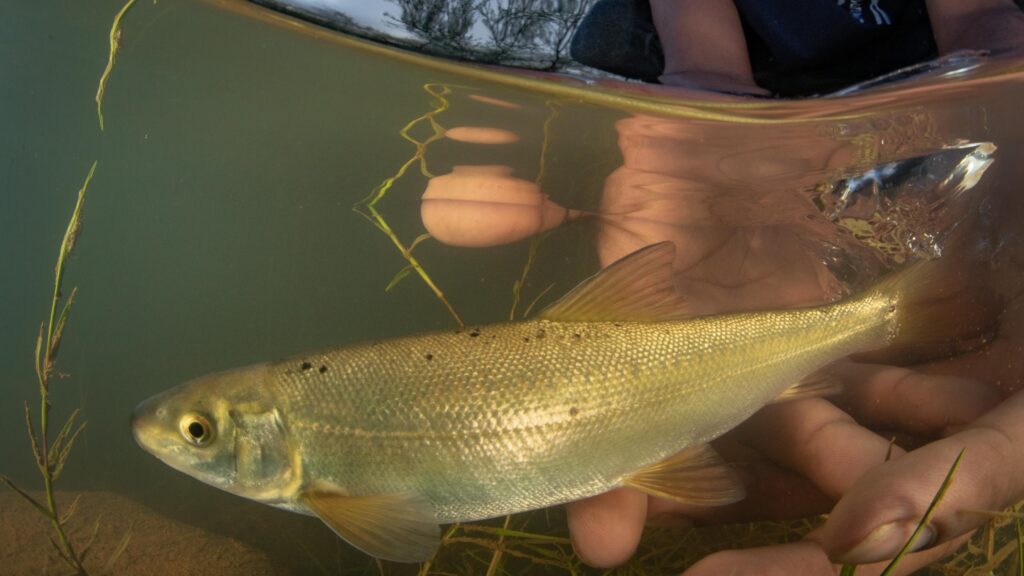
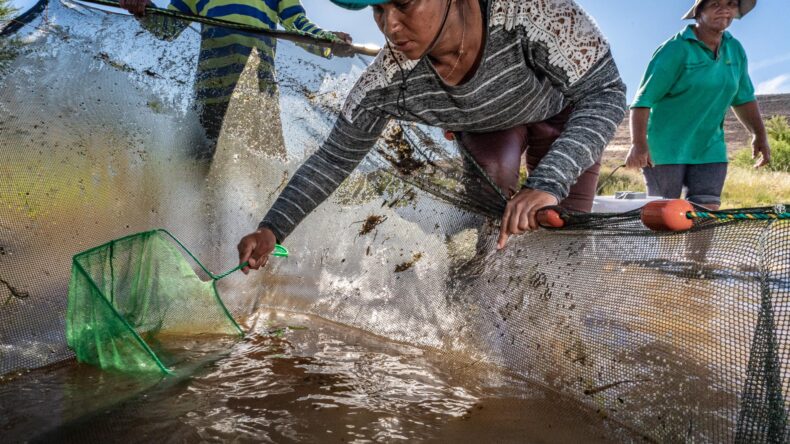
In another project in South Africa, scientists rescued young Clanwilliam sandfish from vulnerable river pools and raised them in predator-free environments before releasing them back into the wild.
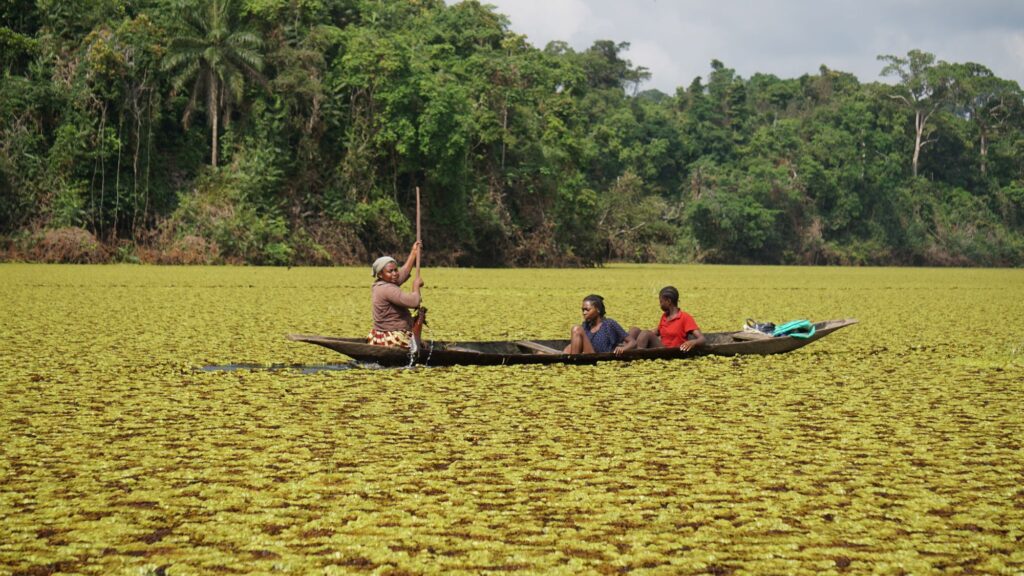
In Cameroon, dense mats of the invasive aquatic plant Salvinia molesta once blanketed Lake Ossa, threatening fish, transport routes and the habitat of the Endangered African manatee. Mechanical removal combined with the release of a host-specific weevil cleared about 10,000 m² of water surface and reduced plant coverage by roughly 20%, while training local residents in alternative livelihoods such as mushroom and snail farming.
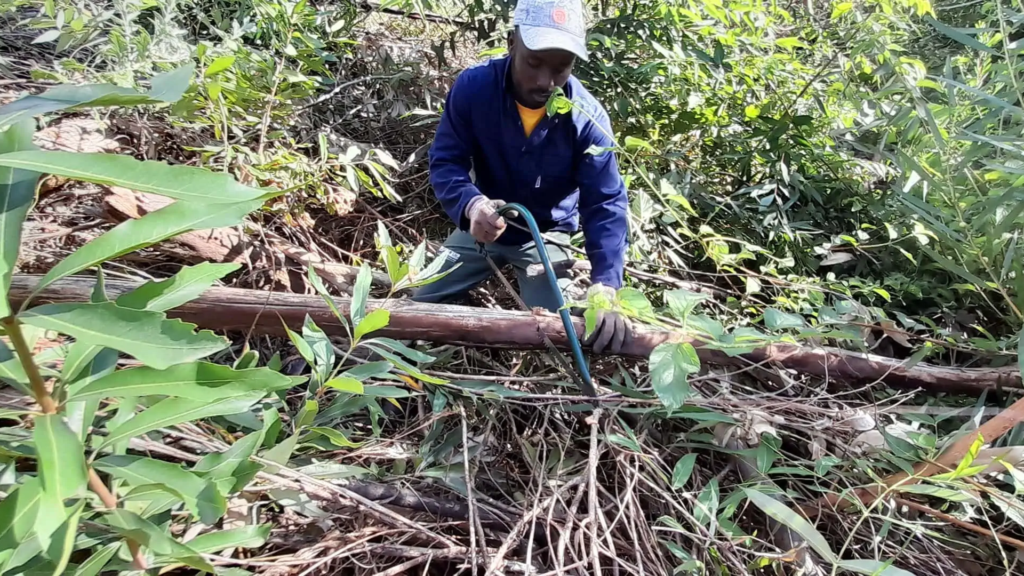
Urban ecosystems also showed signs of recovery. In Cape Town’s Tokai Park, community-led restoration cut invasive plant cover by up to 26% and replanted nearly 5,000 native seedlings, helping revive a unique fynbos ecosystem found nowhere else on Earth.
Why integrated approaches work
A key lesson emerging across projects is that no single intervention is enough. Effective IAS management depends on combining multiple strategies (prevention, removal, biological control, restoration, monitoring and community engagement) and adapting them as conditions change.
This aligns with global best practice promoted by IUCN and partners, which emphasises the inclusion of adaptive management, local stewardship and long-term investment rather than short-term eradication interventions alone.
Evidence for policy and investment
Launched in 2017 with support from the European Union, SOS AWI has channelled more than €10.8 million through 91 grants in 34 African countries, improving habitat management, strengthening conservation capacity and supporting positive population trends for more than 30 threatened species.
This IAS report is the first of three thematic studies to be released in the coming months, followed by analyses on human–wildlife coexistence and the effectiveness of AWI conservation approaches. Together, they will lead into a major synthesis publication planned for later this year: Safeguarding Africa’s wildlife: Lessons and results from the IUCN SOS African Wildlife Initiative (2017–2025), the first comprehensive assessment of the initiative’s nine-year impact.
A scalable model for conservation impact
At a time when countries are accelerating implementation of the Kunming–Montreal Global Biodiversity Framework, the findings offer essential evidence of what works to halt species declines. They show that conservation succeeds when global science meets local knowledge, when communities are partners rather than bystanders and when funding supports sustained action rather than isolated projects.
By aligning species recovery, ecosystem restoration and local livelihoods, the SOS African Wildlife Initiative demonstrates that effective invasive species management can deliver lasting change.
Find our more about the African Wildlife Initiative