Sustainable removal of invasive bamboo in Langenzersdorf, Austria
Project description
The Marchfeld Canal in Langenzersdorf, Austriais far more than a technical water infrastructure systemn it is also an important ecological corridor that provides habitat for a wide variety of animal and plant species, including birds, trees, shrubs, reeds, herbs, snails, spiders, reptiles, and amphibians.
Threats

Invasive alien species
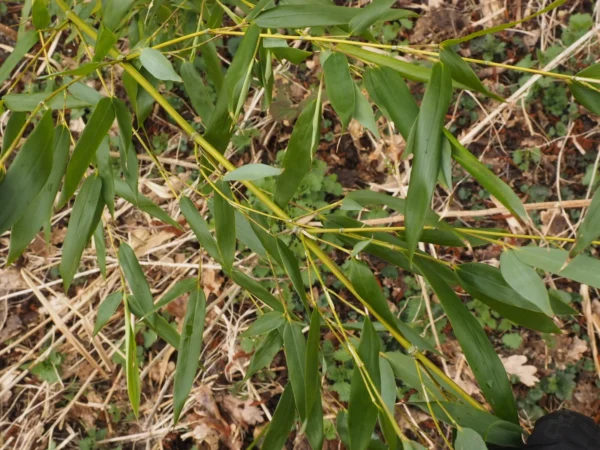
Originally introduced as an ornamental garden plant, bamboo (Phyllostachys spp.) has escaped cultivation through its aggressive underground rhizome system and now poses an increasing threat to the canal’s native biodiversity. The species spreads rapidly, forming dense stands that outcompete native vegetation and reducing habitat availability for local wildlife. In addition, bamboo can alter soil composition and moisture levels, destabilize riverbanks, and disrupt natural ecosystem functions. Because it is highly invasive and difficult to eradicate once established, early intervention is essential to prevent further spread and ecological damage.
Project objectives
The project aims to protect and restore the biodiversity of the Marchfeld Canal by sustainably eradicating invasive bamboo using mechanical removal methods. This will be followed by soil replacement and the re-establishment of native vegetation to restore the ecological integrity of the site.
A structured monitoring programme will help prevent reinvasion and support long-term ecosystem recovery. The project also includes a strong communication and awareness-raising component targeting local municipalities, allotment garden associations, schools, and universities to increase understanding of the environmental risks posed by ornamental plants with invasive potential.
Project activities
- Site assessments: detailed site assessment and GIS mapping of the infestation area will be carried out.
- Targeted removal of the species: mechanical cutting of bamboo stands, excavation and removal of underground rhizomes, with safe disposal of plant material.
- Restoration of native vegetation: the site will be restored through soil stabilization and the planting of native vegetation to support long-term ecosystem recovery.
- Monitoring: regular monitoring and inspections to ensure eradication is successful and sustained.
- Awareness raising and knowledge sharing: the project will include public awareness activities, information campaigns, and presentations at regional events to share lessons learned and encourage sustainable invasive species management practices.