Japanese knotweed eradication initiative (Austria)
Project description
The Dürrenstein–Lassingtal Wilderness Area in Austria is one of Europe’s most valuable protected landscapes. Designated as an IUCN Category Ia/Ib protected area and part of a UNESCO World Heritage site, it safeguards near-natural mountain forests and allows ecosystems to develop with minimal human intervention.
Threats

Invasive alien species
Although the wilderness area remains largely free of invasive alien plant species, a small number of localised populations have been detected, primarily along its boundaries. This early stage of invasion presents a unique opportunity to eradicate these populations before they become established and threaten the ecological integrity of the site.
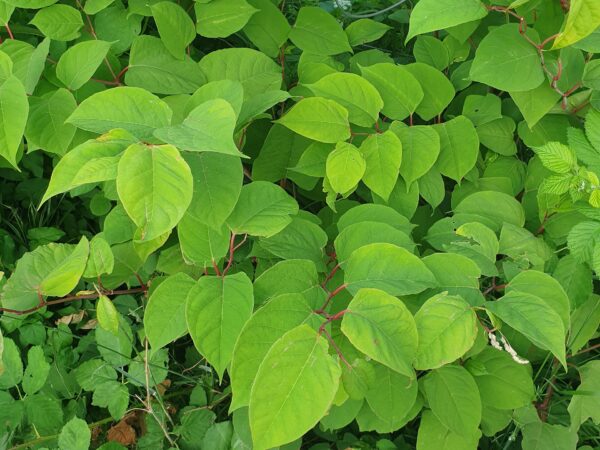
The project focuses on eliminating Japanese knotweed (Fallopia japonica), one of Europe’s most problematic invasive alien plants. By combining targeted eradication measures with habitat restoration, strict biosecurity practices and community engagement, the initiative aims to protect the wilderness area’s exceptional biodiversity while preventing future invasions.
This project is implemented by the Wildnisgebiet Dürrenstein-Lassingtal.
Project objectives
The project aims to eradicate Japanese knotweed (Fallopia japonica) from the Dürrenstein–Lassingtal Wilderness Area before the species becomes established and threatens the ecological integrity of this IUCN Category Ia/Ib protected area and UNESCO World Heritage site. Specifically, the project seeks to:
- Eradicate existing populations of Japanese knotweed from selected sites.
- Prevent further spread through rigorous biosecurity measures.
- Restore affected habitats by encouraging the recovery of native vegetation.
- Increase awareness among local communities and stakeholders to support long-term monitoring and invasive species management.
Project activities
- Eradicate invasive populations: Manually remove Japanese knotweed from selected sites using methods designed to minimise disturbance to the surrounding natural environment.
- Prevent further spread: Apply strict biosecurity and hygiene protocols throughout all field operations to prevent the accidental dispersal of plant material and reduce the risk of new infestations.
- Restore native habitats: Promote the recovery of native vegetation in treated areas to strengthen ecosystem resilience and reduce opportunities for reinvasion.
- Engage local communities: Organise workshops and outreach activities to raise awareness of invasive alien plant species, encourage early detection and reporting, and build long-term support for protecting the wilderness area.