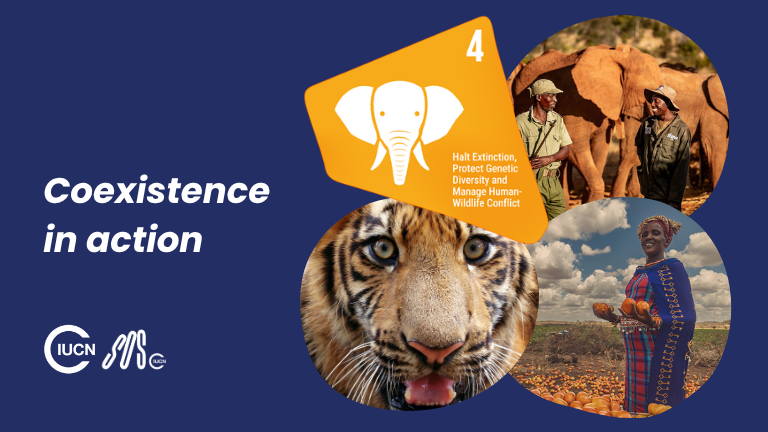
For decades, one question has dominated discussions about conservation success: Are wildlife populations recovering?
Increasingly, another question is becoming just as important: How can people and wildlife thrive together?
Around the world, decades of conservation investments are leading to remarkable results. Tigers are recovering across parts of Asia. Mountain gorillas continue to rebound in Central Africa. Wolves are returning to parts of Europe, while jaguars are reclaiming landscapes in Latin America.
These are some of conservation’s greatest achievements. They also signal the beginning of a new chapter. As wildlife populations recover, people and animals are increasingly sharing forests, rivers and rangelands. Supporting coexistence is increasingly recognized as a vital part of species recovery, helping ensure that conservation benefits both biodiversity and the communities who live alongside it.
The need has never been clearer. The latest IUCN Red List of Threatened Species™ includes more than 175,000 assessed species, with 49,505 classified as threatened with extinction. While many species still require urgent action to prevent decline, others are beginning to recover thanks to sustained conservation efforts. Helping people and wildlife share landscapes safely, sustainably and fairly is increasingly important for securing those gains over the long term.
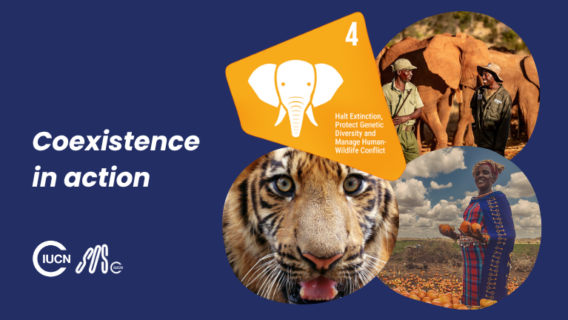
Whether through better livestock protection, rapid response teams, early warning systems, financial mechanisms, sustainable livelihoods or stronger community governance, coexistence relies on effective, locally led solutions that enable both people and wildlife to flourish. Recognised under Target 4 of the Kunming–Montreal Global Biodiversity Framework, supporting coexistence is now an integral part of species recovery.
Published to mark Global Tiger Day (29 July), this special edition newsletter explores how communities, conservation practitioners and researchers are turning coexistence into practical action across Asia and Africa.
Definition
“Human-wildlife coexistence is a dynamic state in which humans and wildlife co-occur in resilient communities and ecologically viable populations, sustained in socially acceptable ways through just institutions and fair processes that enable co-adaptation, adaptive management, and negotiated solutions to keep negative impacts or conflicts at acceptable levels.”
Source: What is human-wildlife coexistence? Briefing paper by the IUCN SSC Human-Wildlife Conflict & Coexistence Specialist Group (2026)
Five myths about human–wildlife coexistence
✨ Myth 1: People and wildlife cannot coexist. People have shared landscapes with wildlife for generations. While conflict can occur, experience from around the world shows that locally adapted approaches can significantly reduce risks and support long-term coexistence.
✨ Myth 2: Removing animals solves conflict. Often it does not. Unless the underlying causes remain addressed, such as food availability, habitat fragmentation or livestock management, new animals often replace those removed.
✨ Myth 3: Only large predators create conflict. Human–wildlife conflict extends far beyond lions, tigers and wolves. Elephants, monkeys, wild pigs, geese and even parrots can damage crops, infrastructure and livelihoods. Coexistence matters wherever people and wildlife share the same landscapes.
✨ Myth 4: Conservation is only about wildlife. Successful coexistence delivers benefits for people as well as nature. Many initiatives strengthen livelihoods, improve land management, build local capacity and increase community resilience while supporting species conservation.
✨ Myth 5: There is one solution that works everywhere. Every landscape is different. The most effective coexistence strategies are designed with local communities and adapted to local ecological and social conditions.
Feature story – Global Tiger Day 2026: Coexistence in action
Every tiger recovery story has many more stories behind it: the people who live alongside tigers every day.
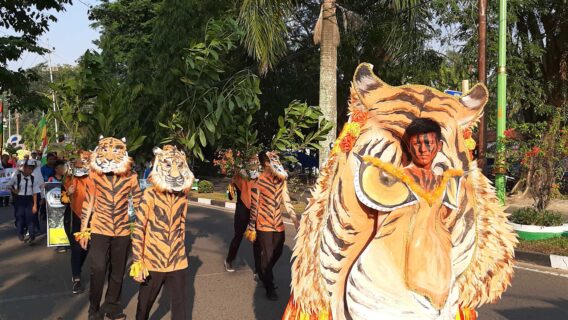
Across Asia, communities are restoring forests, protecting livestock, monitoring wildlife and developing practical solutions that reduce conflict while supporting one of the world’s most iconic species. Their knowledge, leadership and commitment are helping shape landscapes where both people and tigers can thrive.
This year’s Global Tiger Day celebrates those efforts.
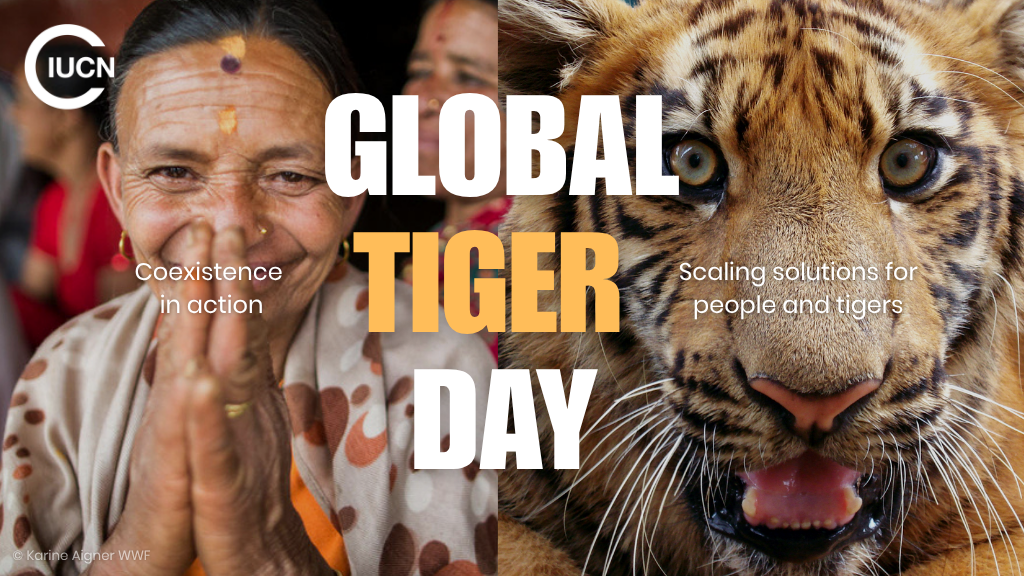
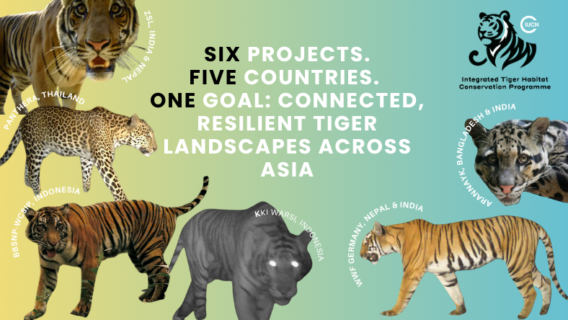
Across Bangladesh, Bhutan, India, Indonesia, Myanmar, Nepal and Thailand, IUCN’s Integrated Tiger Habitat Conservation Programme (ITHCP) supports locally led initiatives that strengthen coexistence between people and wildlife. Working with governments, conservation organisations and local communities, the programme helps translate conservation into practical action on the ground.
Projects supported through ITHCP are restoring habitat, strengthening wildlife monitoring, improving livestock protection through predator-proof corrals, installing solar-powered fencing, establishing early warning systems and creating sustainable livelihood opportunities that reduce pressure on forests.
Together, these approaches are making landscapes safer, healthier and more resilient for both people and wildlife, demonstrating that species recovery and community wellbeing can reinforce one another.
Global Tiger Day will also showcase IUCN’s work across Asia, with events in Bangladesh, India and Thailand bringing together ITHCP partners, government representatives, conservation practitioners, local communities and other stakeholders. These events will provide opportunities to exchange knowledge, strengthen partnerships and highlight practical coexistence solutions already delivering results across some of Asia’s most important tiger landscapes.
Meet the experts
What works? What doesn’t? And how can lessons learned in one landscape help communities thousands of kilometres away?
Helping answer these questions is the work of the IUCN SSC Human–Wildlife Conflict & Coexistence Specialist Group (HWCC), a global network of researchers and practitioners working to advance coexistence through science, collaboration and practical experience.
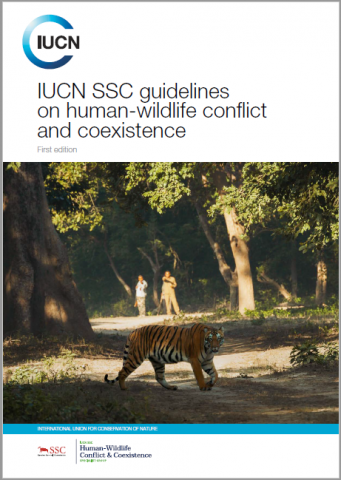
The Specialist Group provides a platform for sharing best practice, promotes collaboration across disciplines and strengthens capacity through technical guidance, training and learning platforms. By connecting experts and practitioners around the world, it helps ensure that new knowledge reaches the people working on the ground.
That exchange of ideas was on full display earlier this year at an ITHCP training workshop in Bangkok, where practitioners from seven tiger range countries shared challenges, compared solutions and strengthened their capacity to support communities living alongside tigers.
The dialogue continues in March 2027 in Thailand, when the HWCC will host the 2nd International Conference on Human-Wildlife Conflict and Coexistence, bringing together experts from around the world to explore emerging research, innovative approaches and practical solutions.
From the field: Three stories of coexistence
Madagascar: Protecting harvests, protecting lemurs
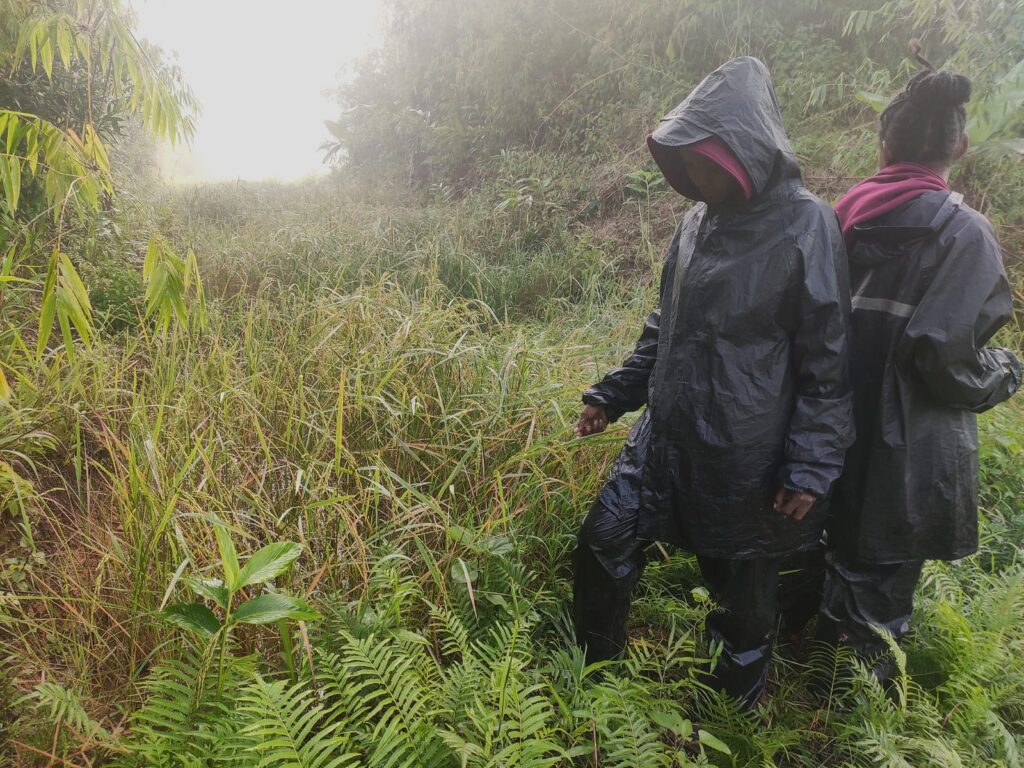
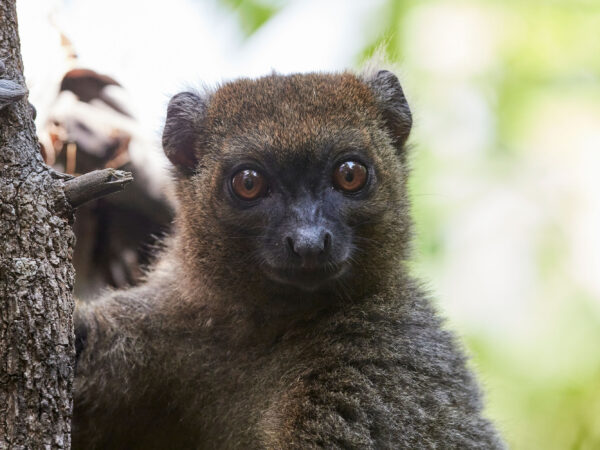
For farming families in south-eastern Madagascar, a successful rice harvest can determine a year’s food security and income. These same rice fields lie alongside the last stronghold of the Critically Endangered greater bamboo lemur, creating a shared landscape where conservation and livelihoods are closely intertwined.
Through the SOS Lemurs project Ensuring the long-term protection of the largest wild population of greater bamboo lemurs, implemented by the Association Française pour la Sauvegarde du Grand Hapalémur (Helpsimus), local communities are demonstrating that practical solutions can benefit both people and wildlife.
Since its introduction in 2019, a community-led rice field guarding system has dramatically reduced conflict between farmers and lemurs, with no monitored rice fields affected. Alongside protecting crops, the project supports habitat restoration, sustainable agriculture, beekeeping, handicrafts, environmental education and improved access to healthcare.
Together, these activities strengthen livelihoods while safeguarding one of the world’s rarest primates, showing how community wellbeing and biodiversity conservation can reinforce one another.
Sundarbans: Building coexistence across borders
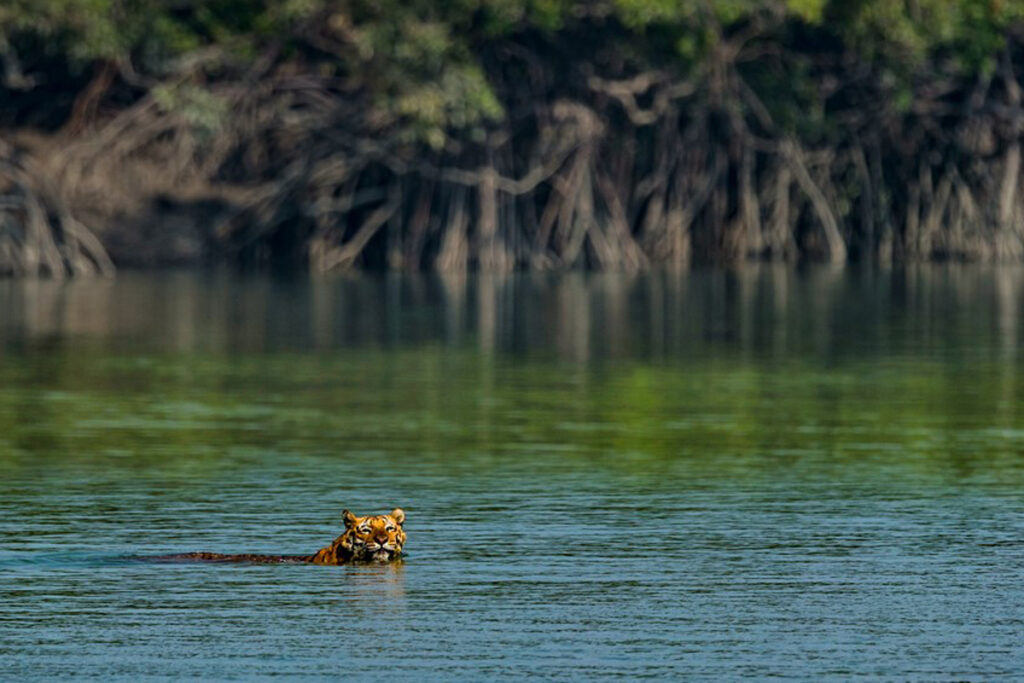
The Sundarbans, the world’s largest mangrove forest spanning India and Bangladesh, is one of the most important remaining landscapes for the Endangered Bengal tiger. It is also home to thousands of people whose livelihoods depend on fishing, crab harvesting and collecting forest resources, making coexistence both essential and complex.
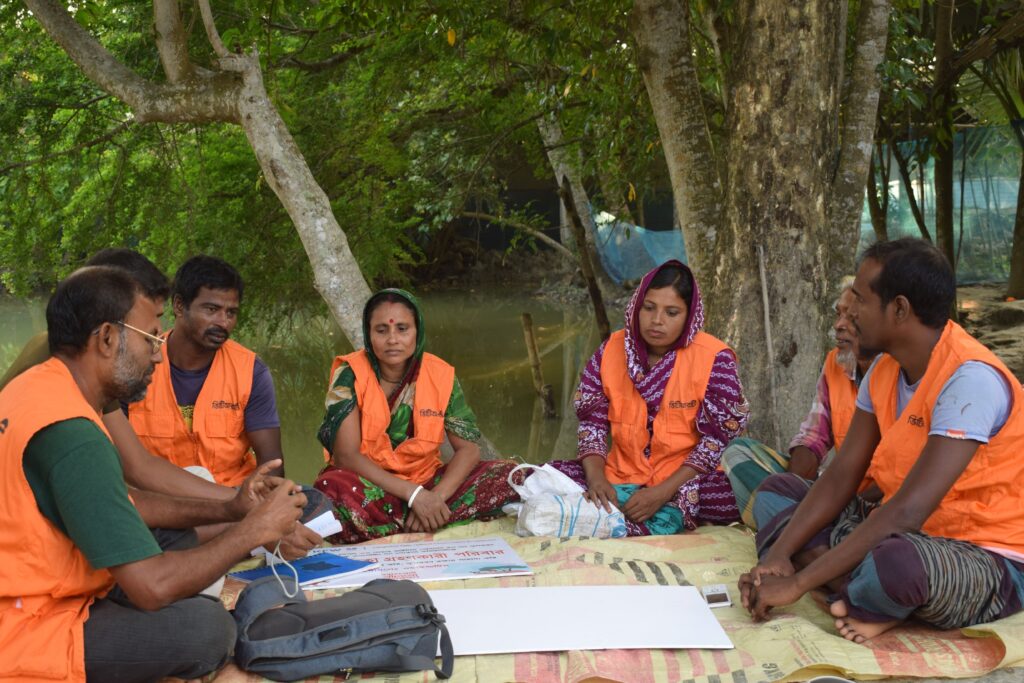
Supported through ITHCP, the Wildlife Trust of India (WTI) and WildTeam Bangladesh have helped establish a model for transboundary cooperation on human–tiger coexistence. Building on their successful collaboration in previous programme phases, the two organisations are now implementing complementary projects on their respective sides of the Sundarbans, tailored to the needs of local communities while contributing to the conservation of this shared landscape.
In India, WTI works with communities and the Forest Department to reduce human–tiger conflict through Primary Response Teams, AI-enabled monitoring, early warning technologies and emergency support systems. In Bangladesh, WildTeam strengthens community engagement, wildlife monitoring and local stewardship while continuing to promote cross-border knowledge exchange. Together, their experience demonstrates how locally led action, supported by regional collaboration, can make coexistence safer for both people and tigers.
Kenya: Sharing the financial risks of living with wildlife
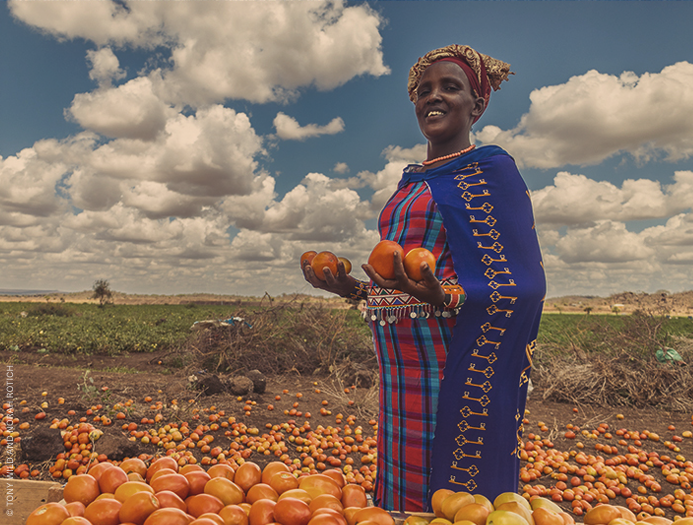
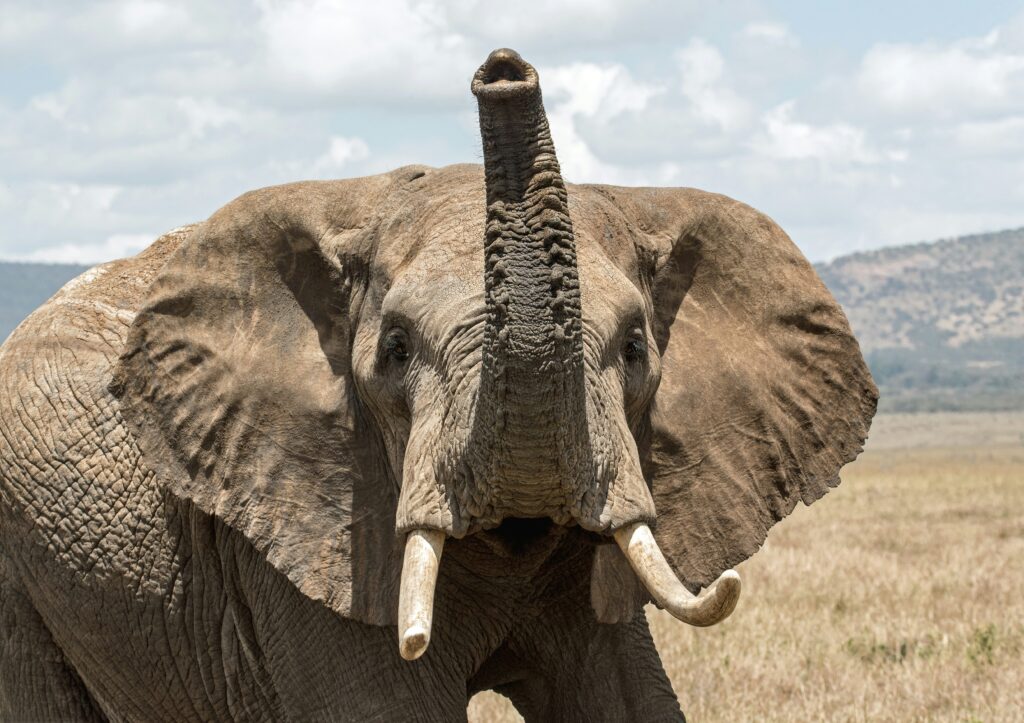
A single night can destroy an entire season’s harvest.
For families living alongside elephants, crop losses, damaged property and livestock depredation can threaten livelihoods, making financial security an important part of coexistence.
A case study developed by the IUCN SSC Human-Wildlife Conflict & Coexistence Specialist Group and the Food and Agriculture Organization of the United Nations (FAO) explores an innovative insurance approach designed to help communities better cope with wildlife-related losses. Developed in collaboration with government agencies, conservation organisations, insurance experts and local communities in Kenya, the scheme aims to provide faster, more reliable support while encouraging preventative measures that reduce conflict.
The initiative highlights how financial tools can strengthen coexistence by helping communities recover from wildlife-related losses while building confidence in conservation efforts.
Coming soon: New lessons on human–wildlife coexistence from across Africa
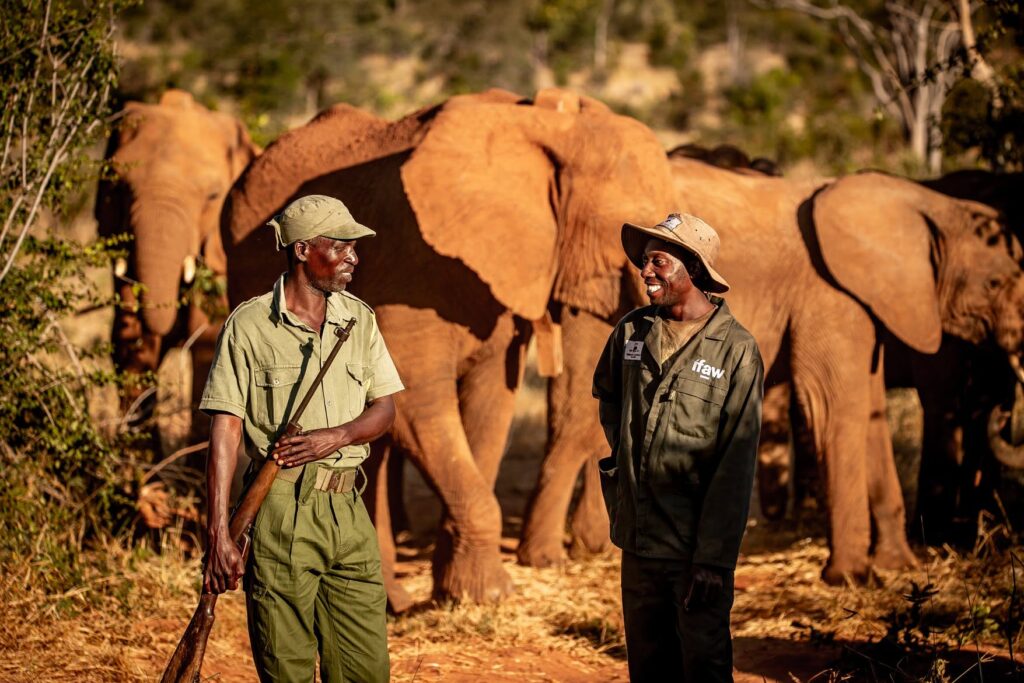
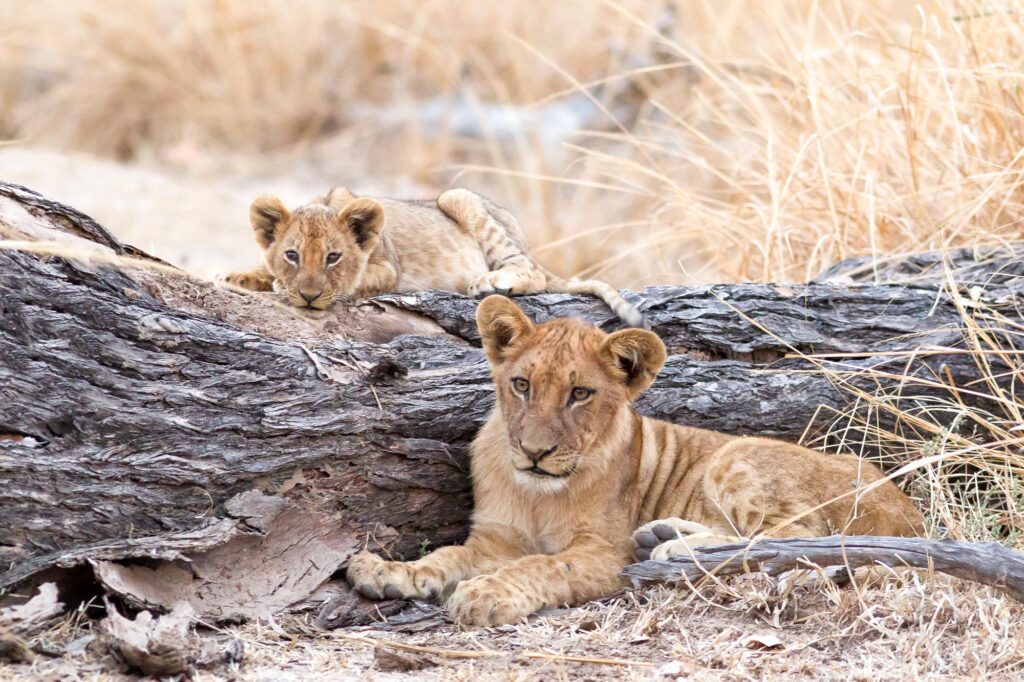
How do you enable coexistence between people and wildlife across landscapes as diverse as the Maasai Mara, the Namib Desert and the forests of Cameroon?
Coming later this year, a new publication from the African Wildlife Initiative (AWI) will explore how 30 projects across 13 African countries are helping communities and wildlife share landscapes more safely and sustainably.
The featured projects demonstrate a wide range of coexistence solutions, including predator-proof livestock enclosures, early warning systems, rapid response teams, community guardian networks, habitat restoration, livelihood diversification and strengthened local governance. While every landscape requires its own approach, the case studies reveal a common lesson: the most effective solutions combine practical conflict prevention with long-term investment in communities and healthy ecosystems.
The publication will share seven case studies from Botswana, Cameroon, Kenya, Namibia, Niger, Tanzania, and Zambia highlighting actionable lessons for conservation practitioners working to advance coexistence across Africa and beyond.
Looking ahead: Scaling coexistence
Conservation is entering an important new phase. Around the world, decades of investment are helping species recover, creating new opportunities and new responsibilities for people and wildlife sharing the same landscapes.
Communities are already demonstrating what coexistence looks like in practice. From restoring habitats and protecting crops to strengthening livelihoods, developing innovative financial tools and sharing knowledge across regions, practical solutions are helping reduce conflict while supporting both biodiversity and human wellbeing.
As more wildlife populations recover, these experiences will become increasingly valuable. The lessons emerging from Asia, Africa and beyond show that coexistence is neither a single intervention nor a fixed destination. It is an ongoing process of collaboration, adaptation and shared stewardship.
This Global Tiger Day, we celebrate the communities, conservation practitioners, researchers and partners turning coexistence into action every day. Their work is helping shape a future where people and wildlife can continue to thrive together.
You can help make this work possible.
By supporting IUCN Save Our Species, you contribute to locally led conservation initiatives that protect threatened species, strengthen communities and advance coexistence where it matters most.
Make a donation today and help turn coexistence into action