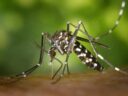
A venomous lionfish advancing through the Adriatic. Giant American bullfrogs threatening wetlands. A crayfish capable of reproducing without mating. An Asian bird breeding in Europe outside its native range for the first time.
These may sound like isolated stories, but together they reveal a much bigger picture.
Across Europe, invasive alien species are becoming one of the fastest-growing threats to nature. Introduced accidentally or intentionally through trade, travel and other human activities, these alien plants and animals can rapidly outcompete native species, transform habitats, spread diseases and disrupt entire ecosystems.
Invasive alien species are already recognised as one of the leading drivers of biodiversity loss worldwide, having contributed to 60% of recorded global extinctions and acting as the sole driver in 16% of documented extinctions. In Europe alone, they are estimated to cost USD 28 billion every year in environmental damage, lost productivity and management costs.
A European Environment Agency (EEA) briefing published in June 2026 found that, while the European Union is making progress in tackling invasive alien species, they continue to spread and new introductions remain likely, underlining the importance of continued investment in early detection and rapid response.
New invasive alien species incursions are not inevitably long-term threats. With early detection and rapid response, many can be eradicated before they become established and spread beyond control.
That opportunity for early response is now being put into action across Europe.
The first 20 projects supported by the European Invasive Alien Species Rapid-Response Fund, co-funded by the European Union and implemented by local partners through IUCN Save Our Species, are now underway across 9 European countries. Together, they are contributing to the protection of rivers, forests, wetlands and marine ecosystems by responding to invasive alien species incursions while eradication is still possible.
A race against time
When an invasive alien species first appears in a new territory, conservationists have a brief window to act.
A small population can often be removed completely. Wait a few years, however, and that same species may spread across entire landscapes, making eradication technically difficult, prohibitively expensive or simply impossible.
“Every invasive alien species that dominates today’s headlines began as a small population somewhere,” said Professor Helen Roy, Co-Chair of the IUCN SSC Invasive Species Specialist Group. “By acting while new invasions are still confined to small areas, we have a genuine opportunity to prevent ecological damage that could otherwise persist for decades. These projects show why early detection and rapid response are among the most effective conservation tools we have.”
Indeed, there is growing international recognition that prevention and rapid response are the most effective and cost-efficient ways to tackle invasive alien species. Despite this, funding has traditionally focused on managing invasive alien species after they have already become established.
The European Invasive Alien Species Rapid-Response Fund was created to address the gap of funding action as soon as possible.
Through fast-track grants of €10,000-50,000, the Fund enables conservation organisations, research institutions and public authorities to respond immediately, turning early detection into rapid action.
The initiative supports implementation of the EU Invasive Alien Species Regulation, the EU Biodiversity Strategy for 2030 and the Kunming–Montreal Global Biodiversity Framework (GBF) by investing in prevention as a first step, rather than focusing on long-term management.
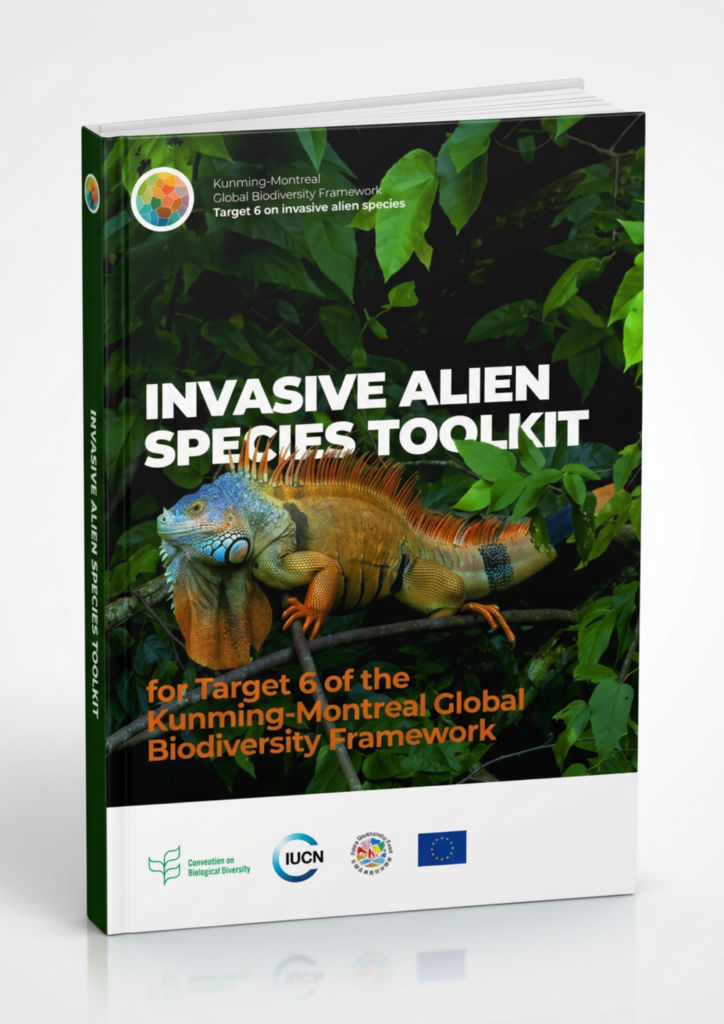
In 2025, the Convention on Biological Diversity published a global toolkit for implementing Target 6 of the GBF, developed by IUCN together with members of the IUCN SSC Invasive Species Specialist Group to help countries strengthen action on invasive alien species. The toolkit provides practical guidance to help countries strengthen invasive alien species management, emphasising prevention, early detection and rapid response as the most effective and cost-efficient course of action.
Early interventions making a difference
The first projects to be funded show that invasive alien species can invade a wide range of ecosystems, from rivers and forests to coastal and urban environments, and that protecting biodiversity often means acting long before their impacts become widespread.
Stopping venomous lionfish before they dominate the Adriatic Sea
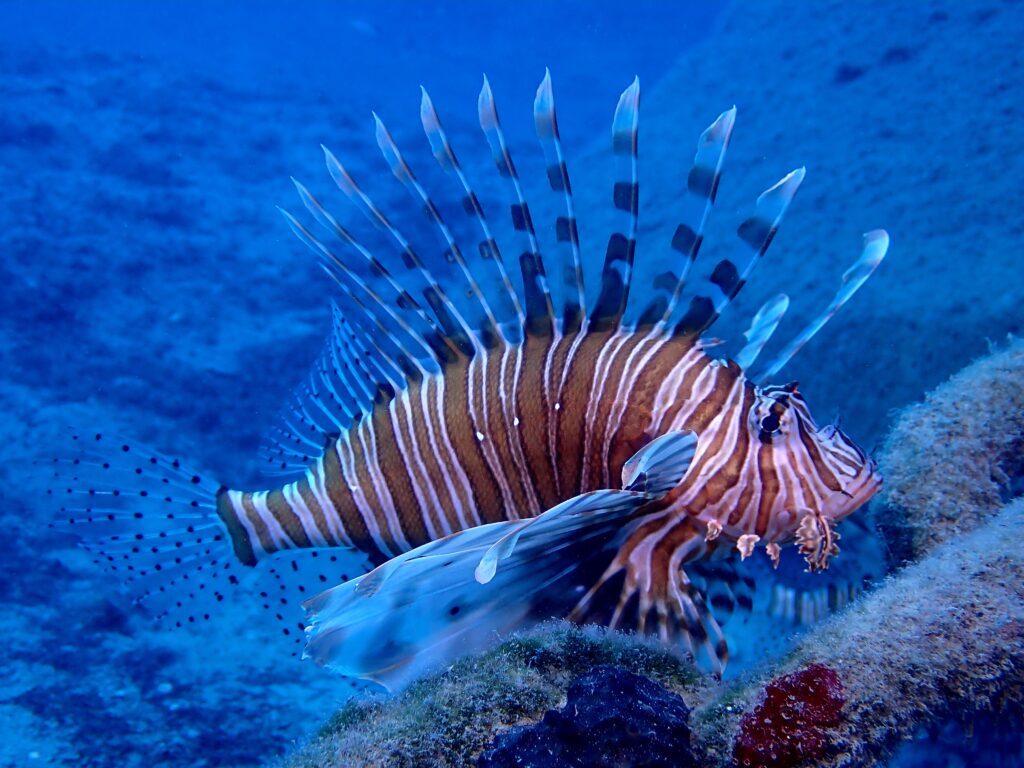
Lionfish have already spread across much of the eastern Mediterranean, where these venomous predators can dramatically reduce native fish populations and disrupt marine ecosystems.
Now, conservationists are racing to stop them from becoming firmly established in the Adriatic. In Croatia, divers, scientists and protected area managers are working together to remove lionfish from some of the region’s most valuable marine protected areas while there is still a realistic chance of preventing a larger invasion.
Protecting wetlands from invasive frogs
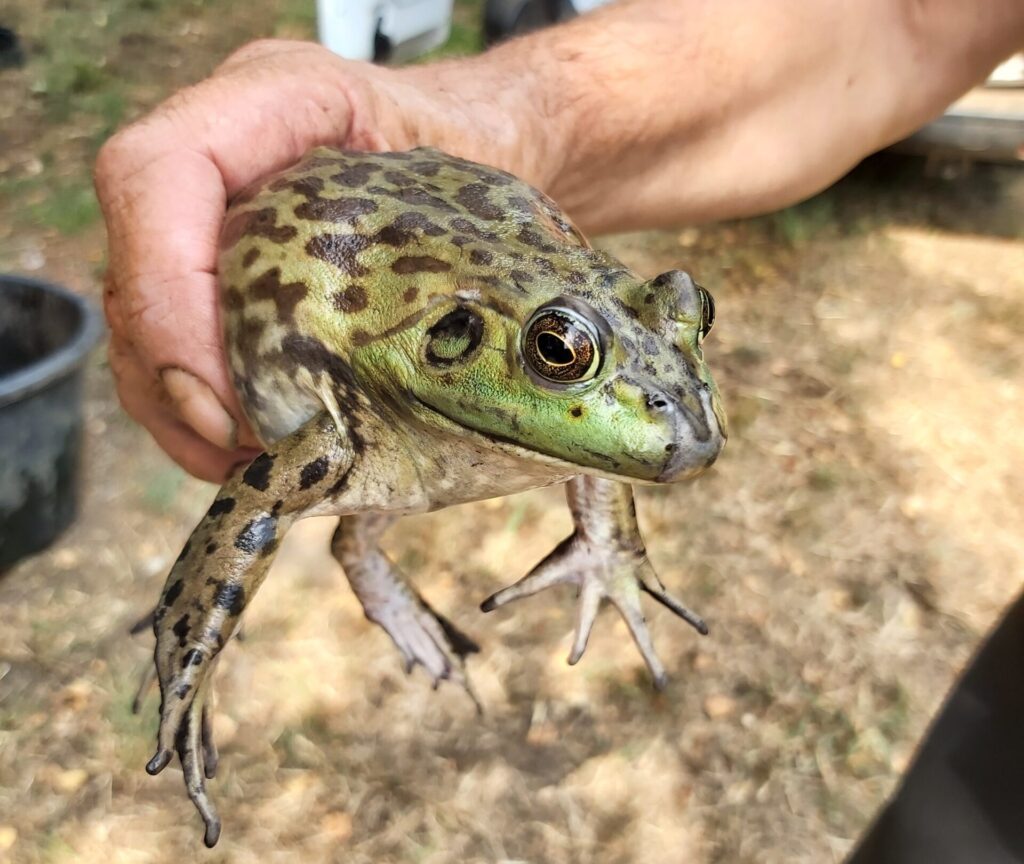
Belgium’s wetlands are facing a growing threat from giant American bullfrogs and African clawed frogs, two invasive amphibians that compete with native species and can spread disease.
Scientists and conservationists are combining the use of environmental DNA (eDNA), targeted trapping and integrated management to eradicate the two species before they spread further, helping safeguard native amphibians, such as the protected great crested newt.
Eliminating a crayfish that can clone itself
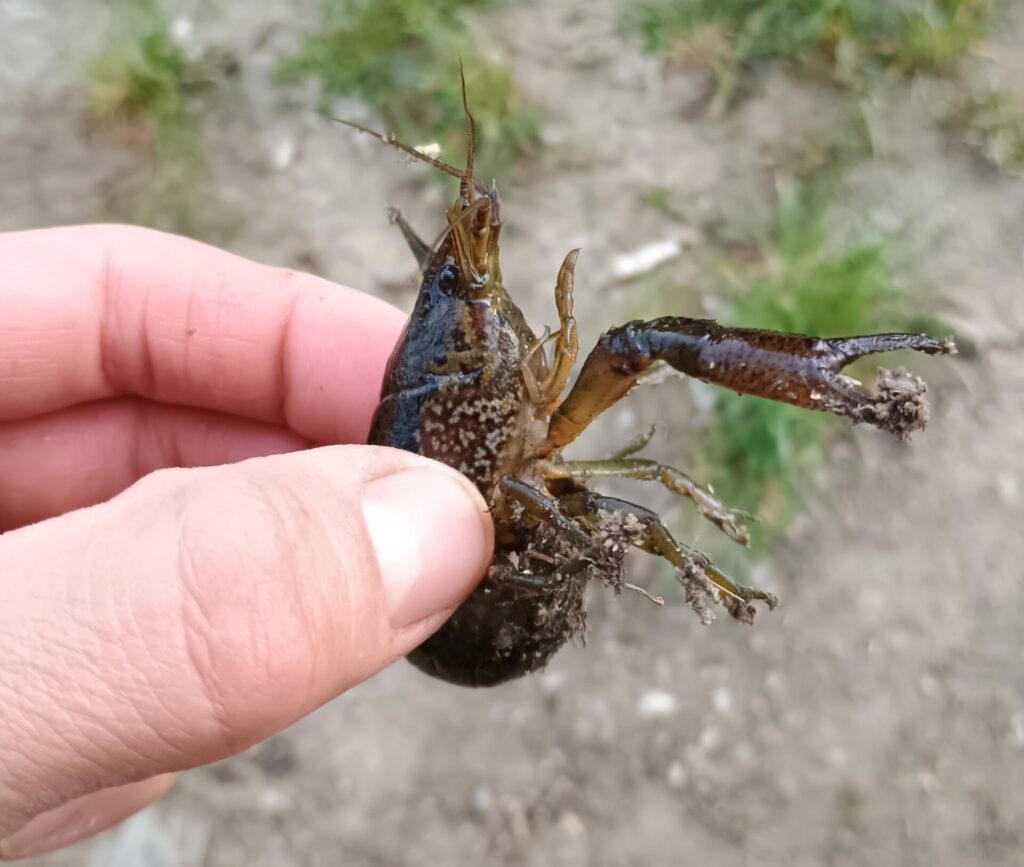
Few invasive alien species are as unusual as the marbled crayfish.
Unlike almost every other crayfish, it reproduces without mating, meaning a single individual can establish an entire population. It also carries crayfish plague, a disease that has devastated Europe’s native crayfish.
In the Czech Republic, newly discovered populations are being eradicated before they can spread, demonstrating how early detection and rapid response can prevent even a single individual from becoming a widespread invasion.
Preventing new invasives from gaining a foothold
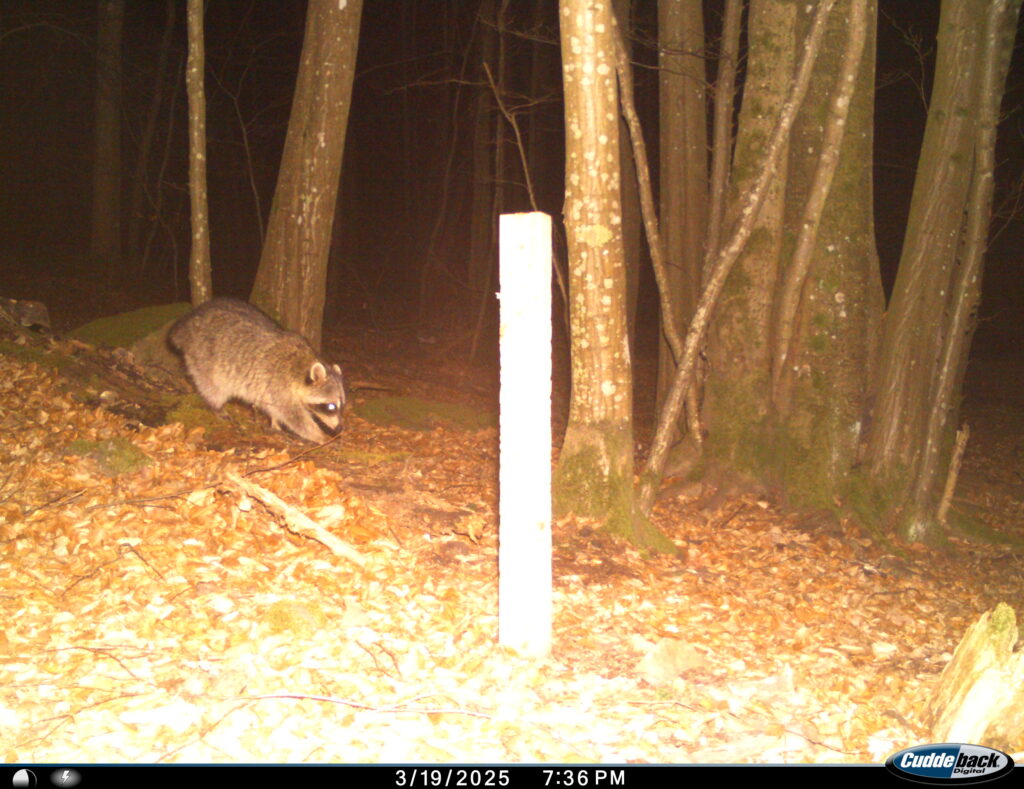
Not every invasive alien species arrives in large numbers. Some begin with just a handful of individuals.
Along the Austrian-Czech border, conservationists are working together to eradicate invasive alien raccoons from two neighbouring protected areas that support vulnerable ground-nesting birds and one of Central Europe’s remaining European wildcat populations.
Elsewhere, researchers in southern Italy are removing common mynas while populations remain small enough to eradicate. In Belgium, scientists are responding to the country’s first breeding population of the red-billed leiothrix, while on the Greek island of Crete conservationists are protecting the endemic Cretan wall lizard from the expanding invasive Italian wall lizard.
Restoring habitats before invasive plants take over
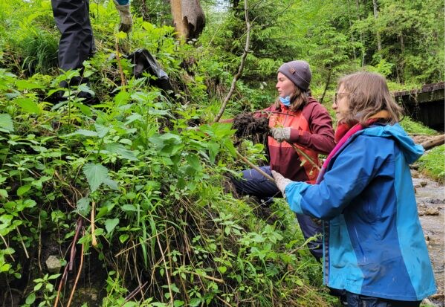
Some of Europe’s greatest ecological changes begin quietly, when ornamental plants escape gardens and spread into surrounding landscapes.
Across Europe, action is being taken to remove invasive alien plants before they transform forests, rivers and protected areas. In Portugal, projects are restoring Peneda-Gerês National Park by eradicating bushy needlewood. Japanese knotweed is being removed from Austria’s Dürrenstein–Lassingtal Wilderness Area, while teams in northern Italy are targeting the Turkish wartycabbage before it spreads across the species-rich grasslands of the Asiago Plateau.
Elsewhere, projects are restoring ecosystems by removing empress tree from Ljubljana’s protected urban forest in Slovenia, replacing invasive bamboo with native vegetation along Austria’s Marchfeld Canal, and tackling four invasive plant species across the alpine rivers and Natura 2000 habitats of Nationalpark Gesäuse, Austria.
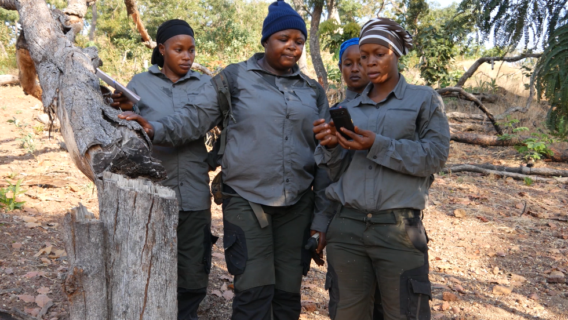
In Finland, local communities are also becoming part of the solution. Residents, schools and volunteers are helping remove Himalayan balsam from the ecologically important Mätäoja urban stream using a mobile app that records and verifies their conservation efforts.
Building Europe’s rapid-response network
The European Invasive Alien Species Rapid-Response Fund provides more than financial support.
Project partners also receive technical guidance through IUCN’s global network, including from the IUCN SSC Invasive Species Specialist Group, one of the world’s leading expert networks on invasive alien species. The Specialist Group helps translate the latest science into practical guidance for governments and conservation practitioners around the world.
Each project contributes new tools, evidence and lessons that strengthen Europe’s collective capacity to detect and eliminate future invasions.
The Fund also complements broader efforts across IUCN to scale up action on invasive alien species, including the development of the organisation’s first Union-wide Invasive Alien Species Strategy.
The first cohort of funded projects at a glance
- 20 rapid-response projects
- 9 European countries
- Fast-track grants of €10,000-50,000
- Projects protecting forests, rivers, wetlands, marine ecosystems and some of Europe’s most important protected areas
- Targeting invasive mammals, birds, amphibians, reptiles, fish, crayfish and plants
Call for proposals now open
The European Invasive Alien Species Rapid-Response Fund is continuing to support conservation organisations, research institutions and public authorities across the European Union to turn early detection into rapid action. The call for proposals is currently open until 10 February 2027, or until the available funding has been fully allocated. Organisations are encouraged to submit proposals by September 2026 where possible to maximise the likelihood of funding being available, helping ensure that the next potential invasion can be stopped before it becomes tomorrow’s headline.
Annex
Full list of first cohort of projects:
- Early detection and rapid response to invasive plants in the Gesäuse National Park; Nationalpark Gesäuse GmbH, Austria
- Japanese knotweed eradication initiative; Wildnisgebiet Dürrenstein–Lassingtal, Austria
- Sustainable removal of invasive bamboo in Langenzersdorf; Marchfeld Canal Company, Austria
- Eradication of the raccoon in the Thayatal and Podyjí National Parks; National Park Thayatal & Podyjí National Park, Austria & Czech Republic
- Eradication of an isolated satellite population of the American bullfrog in a Flemish nature reserve; Province of Antwerp, Belgium
- Eradication of the African clawed frog in Flanders and in Wallonia (two projects); Research Institute for Nature and Forest (INBO), Contrat de rivière Escaut-Lys & Wallonia Public Service (SPW), Belgium
- Rapid eradication of the red-billed leiothrix from a dune ecosystem in Flanders; Research Institute for Nature and Forest (INBO), Belgium
- Strengthening national capacity for lionfish control; Hippocampus Association for Environmental Protection, Croatia
- Eradicating the Oriental turtle dove from its only known non-native breeding population in Europe; Czech Society for Ornithology, Czech Republic
- Rapid eradication of marbled crayfish populations in Moravia; Nature Conservation Agency, Czech Republic
- Elimination of Himalayan balsam from a biodiversity-rich urban stream site; City of Vantaa, Finland
- Protecting endemic lizards from invasion in Chania, Crete; University of Crete, Greece
- Preventing the spread of Bunias orientalis in northern Italy; Comune di Asiago – Museo Naturalistico Patrizio Rigoni, Italy
- Rapid eradication of common myna populations; National Research Council of Italy, Institute of Research on Terrestrial Ecosystems (CNR-IRET), Italy
- Eradication of invasive Ludwigia from the Alva River and of alligator weed from the Mondego River (two projects); Comunidade Intermunicipal da Região de Coimbra, Portugal
- Eradication and monitoring of hakea sericea in the Gerês Range (two projects); Agrupamento de Baldios da Serra do Gerês, Portugal
- Stop pavlovniji ! — Early eradication of Paulownia tomentosa in a protected urban forest; Slovenian Forestry Institute, Slovenia
Find out more