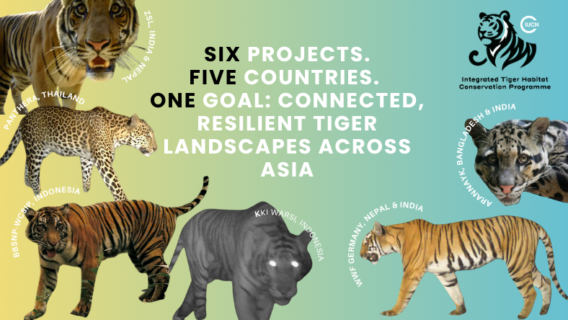

Last week, IUCN and its partners marked Global Tiger Day with a series of events across Asia that demonstrated how this year’s theme, “Coexistence in action: Scaling solutions for people and tigers”, is being translated into action on the ground.
From community outreach in Bangladesh and national dialogue in India to environmental education in Thailand and encouraging tiger population news from Nepal, the week highlighted a shared commitment to protecting tigers while supporting the people who live alongside them.
Together, the events showcased the importance of collaboration between governments, local communities, conservation organisations and development partners in advancing practical solutions that benefit both people and wildlife.
Bringing coexistence to communities in Bangladesh
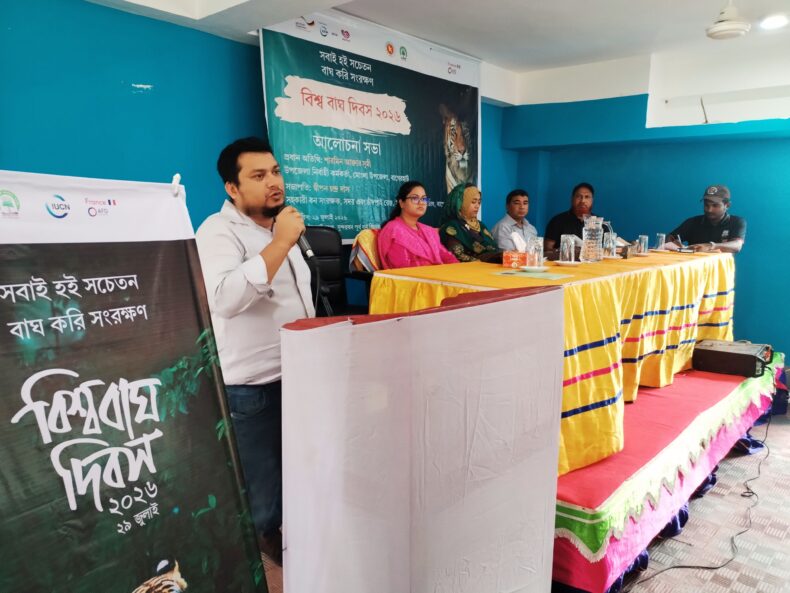

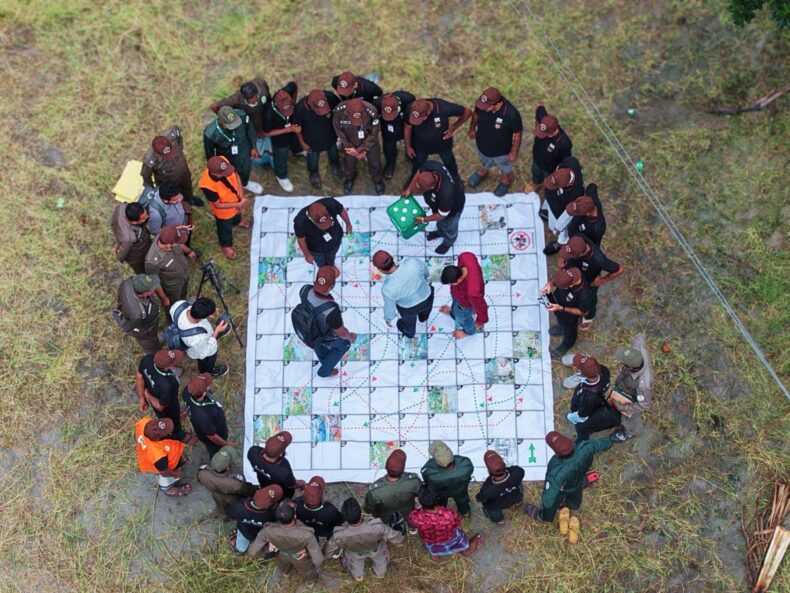
In Bangladesh, IUCN and the Bangladesh Forest Department organised nationwide celebrations that engaged more than 1,000 participants through national and local events centred on the conservation of the Bengal tiger and the Sundarbans.
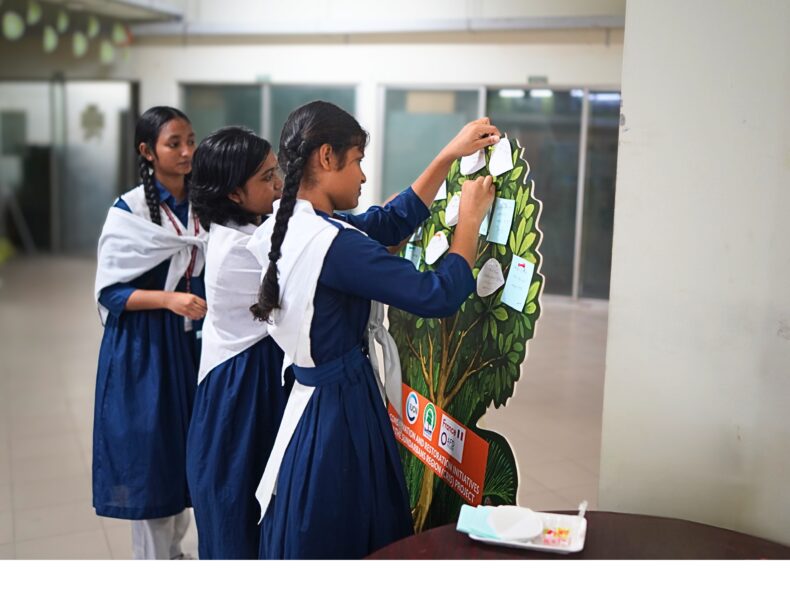
The national event in Dhaka brought together government representatives, researchers, conservation practitioners, development partners and young people to reaffirm Bangladesh’s commitment to protecting tiger landscapes. Interactive experiences, including a 3D augmented reality tiger exhibit, conservation displays and a public commitment wall, helped connect visitors with the importance of tiger conservation.
Meanwhile, celebrations across four Forest Department range offices surrounding the Sundarbans brought conservation directly to local communities through school competitions, conservation rallies, stakeholder discussions and educational activities. These events highlighted the role that awareness, community stewardship and healthy ecosystems play in securing a future for both people and tigers.
Looking ahead for tiger conservation in India
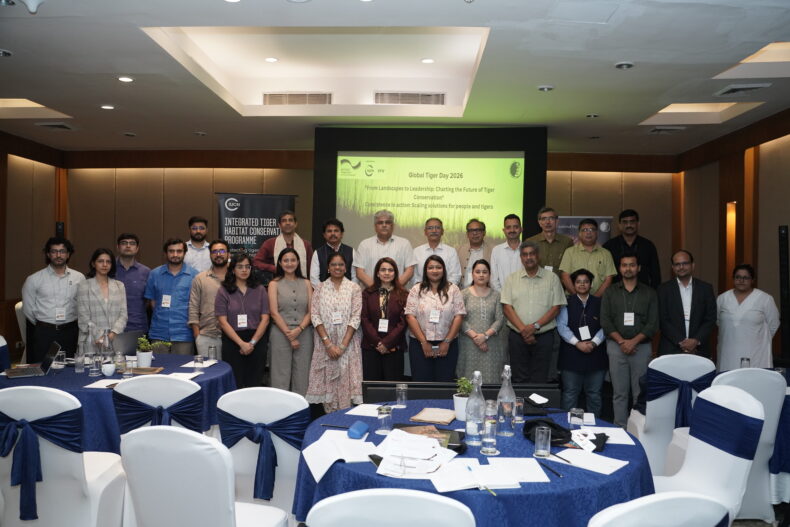
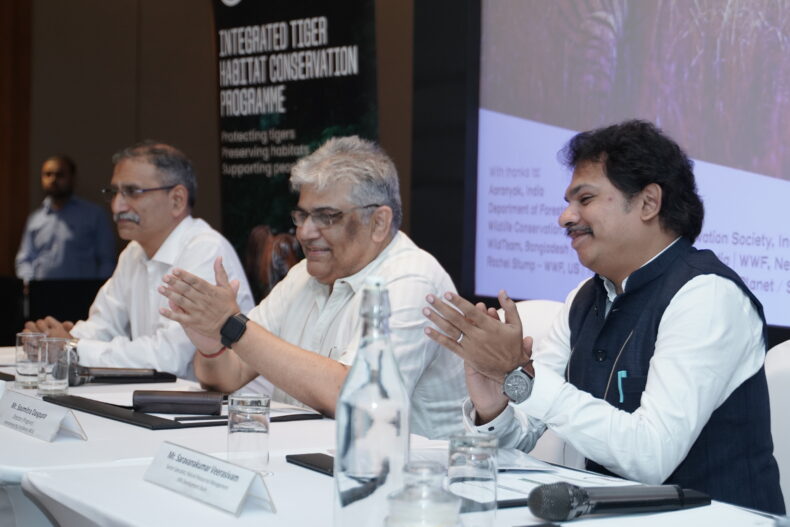
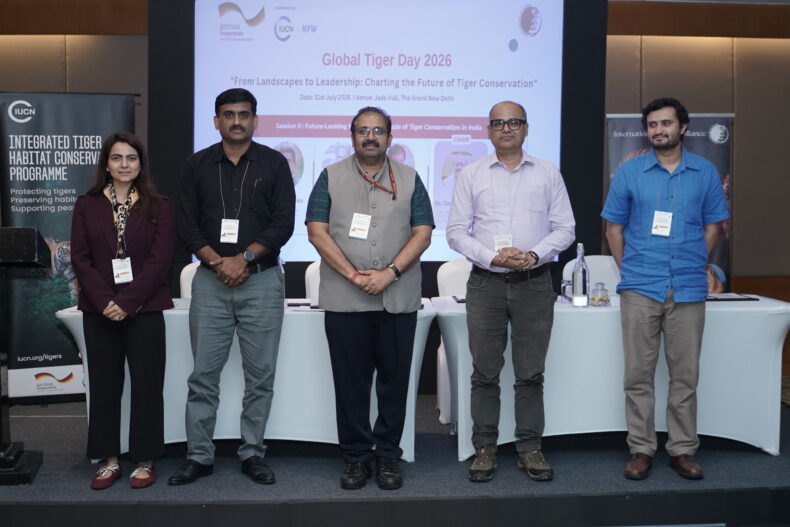
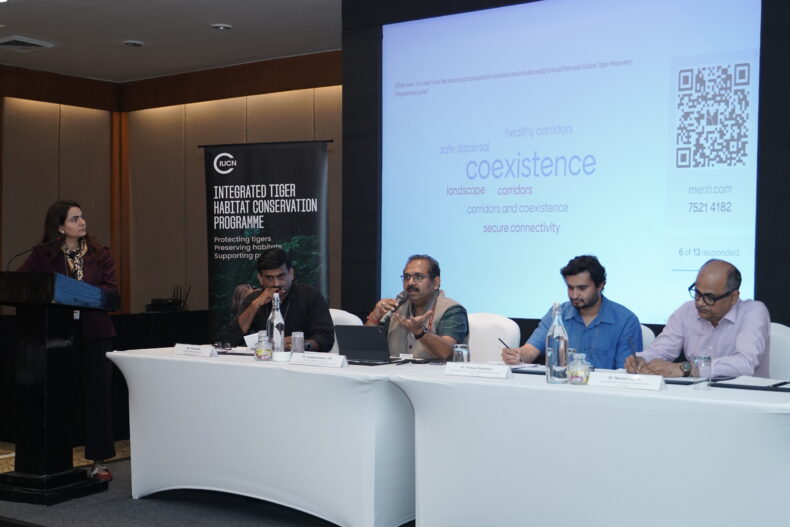
On 31 July, IUCN India and the International Big Cat Alliance (IBCA) convened conservation leaders in New Delhi for a national dialogue on the future of tiger conservation.
The event brought together representatives from government, conservation organisations, academia and development partners, alongside organisations implementing projects through IUCN’s Integrated Tiger Habitat Conservation Programme (ITHCP).
Discussions focused on scaling successful field-based approaches to habitat restoration, landscape connectivity, community-led conservation and human–wildlife coexistence, while exploring how technology, sustainable financing and stronger partnerships can support the next generation of tiger conservation.
The dialogue reinforced that recovering tiger populations must be accompanied by long-term investment in the landscapes and communities that support them.
Inspiring future generations in Thailand

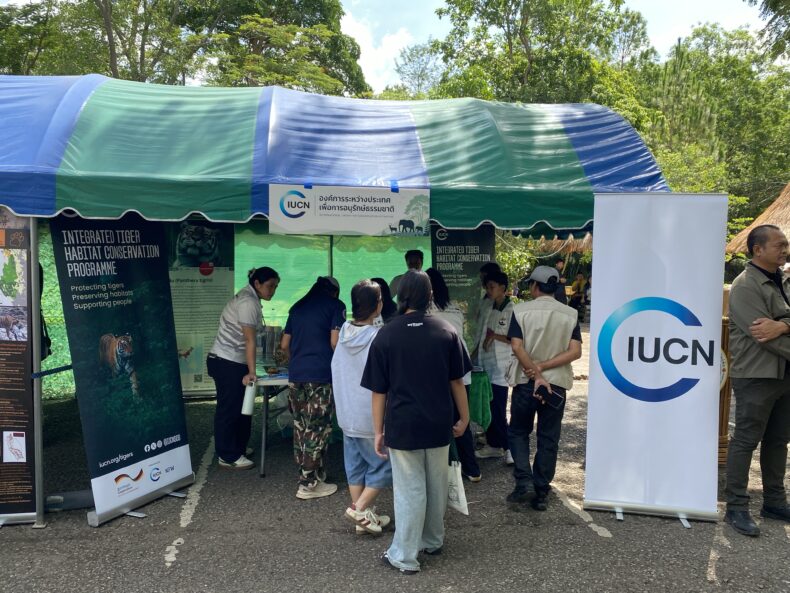


In Thailand, Global Tiger Day celebrations were held in the Chaiyaphum Province, hosted by the Department of National Parks, Wildlife and Plant Conservation and bringing together government officials, local communities and schoolchildren to learn more about tiger conservation.
IUCN hosted an interactive education booth featuring games and activities on tiger habitats, food chains and wild cat diversity. Through hands-on learning, children and young people explored the ecological importance of tigers and gained a better understanding of the role they can play in protecting nature.
The event highlighted the importance of conservation education in building long-term public support for protecting wildlife.
Nepal celebrates a new conservation milestone
Global Tiger Day also brought encouraging news from Nepal, where the Government of Nepal announced the results of its latest National Tiger Census.
The census confirmed that Nepal’s wild tiger population has increased to 429, continuing a remarkable recovery from 121 tigers recorded in 2009. The latest assessment recorded increases across most protected areas in the Terai Arc Landscape, demonstrating the long-term impact of sustained conservation investment, scientific monitoring and collaborative management.

While the growing tiger population is an important conservation success, it also highlights why coexistence remains central to the future of tiger conservation. As tigers recover and expand into shared landscapes, continued investment in practical coexistence measures will be essential to ensure both people and wildlife can thrive.
Turning commitment into action
The activities held across Asia during Global Tiger Day 2026 demonstrated how coexistence is being translated into practical action across diverse tiger landscapes.
Whether through engaging young people in Bangladesh and Thailand, strengthening partnerships in India or celebrating conservation progress in Nepal, each initiative reflected a common understanding that successful tiger conservation depends on people as much as wildlife.
Through the Integrated Tiger Habitat Conservation Programme (ITHCP), funded by the German Cooperation (BMZ) through KfW Development Bank, IUCN continues to work with governments, Indigenous Peoples and local communities, conservation organisations and development partners across Asia to scale practical, locally led solutions that help secure a future where both people and tigers can thrive.
Learn more about ITHCP: