
Preventing the spread of Bunias orientalis in northern Italy
Project description
The Seven Municipalities Plateau (Altopiano dei Sette Comuni) in northern Italy is renowned for its species-rich meadows and pastures, which support biodiversity while providing important economic benefits for local communities. These grassland habitats are increasingly threatened by the spread of Bunias orientalis, an invasive alien plant species capable of outcompeting native vegetation and reducing the ecological and agricultural value of these landscapes.
Threats

Invasive alien species
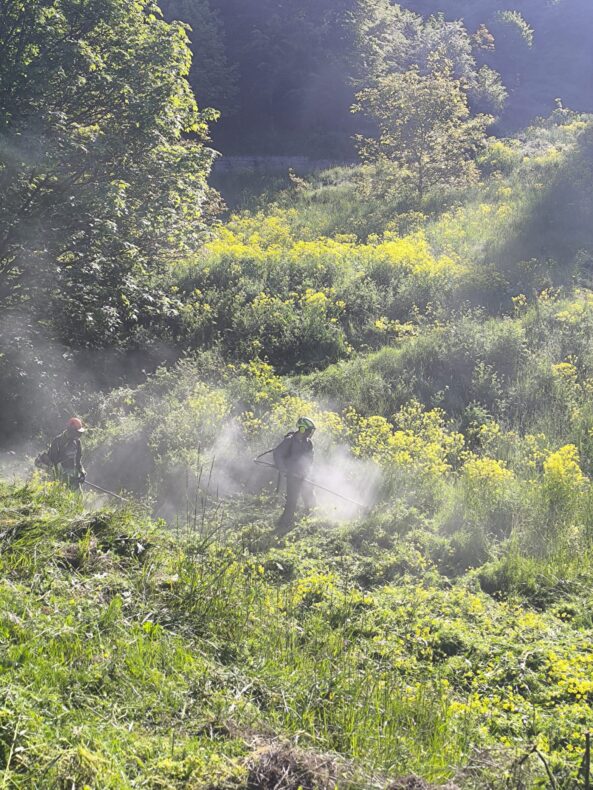
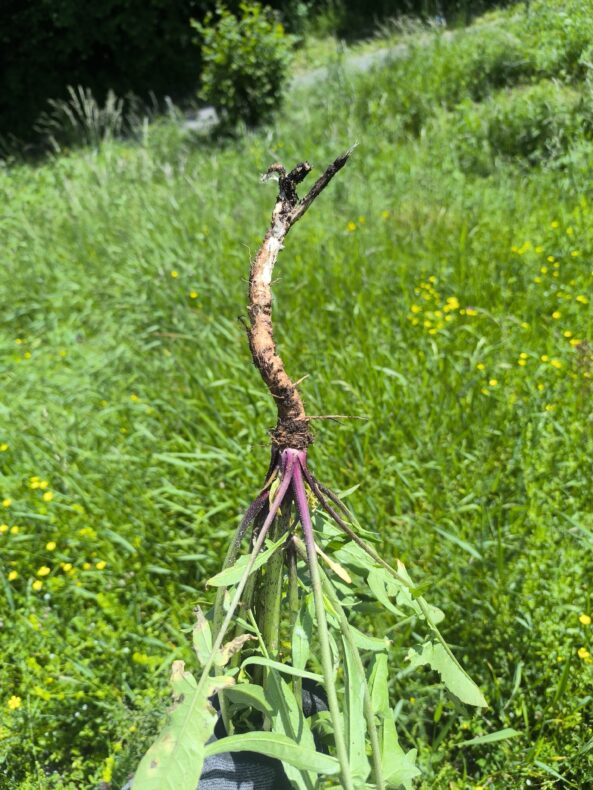
At present, Bunias orientalis has been recorded in only three valleys within the municipality of Foza on the Asiago Plateau, providing a unique opportunity to eradicate the species before it becomes widely established. Acting now will help avoid the significantly higher environmental and economic costs associated with long-term management once the species has spread.
The project combines targeted eradication measures with community engagement to eliminate existing populations while building local capacity to detect and respond to future incursions. By working closely with landowners, farmers and local stakeholders, the project aims to protect the Plateau’s valuable grassland ecosystems for the long term.
This project is implemented by the Comune di Asiago – Museo Naturalistico Patrizio Rigoni.
Project objectives
The project aims to eradicate Bunias orientalis from the Asiago Plateau before the species spreads across the Seven Municipalities Plateau. Specifically, it seeks to:
- Eradicate existing populations in the three affected valleys.
- Prevent the production and spread of seeds to stop further expansion.
- Raise awareness among local communities and land managers about identifying and managing the species.
- Establish a local monitoring network capable of detecting and responding rapidly to any future re-establishment.
Project activities
- Eradicate existing populations: Implement repeated mowing throughout the growing season to prevent flowering and seed production, weaken established plants and reduce their ability to regenerate. Where appropriate, herbicide treatments will also be used as part of the eradication strategy.
- Engage local communities: Deliver awareness campaigns through social media, information sessions and educational materials to help residents identify Bunias orientalis and understand how to respond effectively. Outreach will focus particularly on landowners, farmers and other land managers in the affected valleys.
- Support long-term prevention: Continue monitoring treated sites to detect any regrowth and establish a network of local volunteers, farmers and livestock breeders to report and respond quickly to any new occurrences, helping prevent reinvasion and ensuring the long-term success of the eradication effort.